Freya Yang
+86 18318948097
+852 62667476
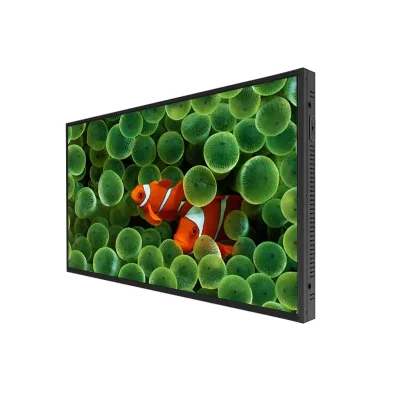
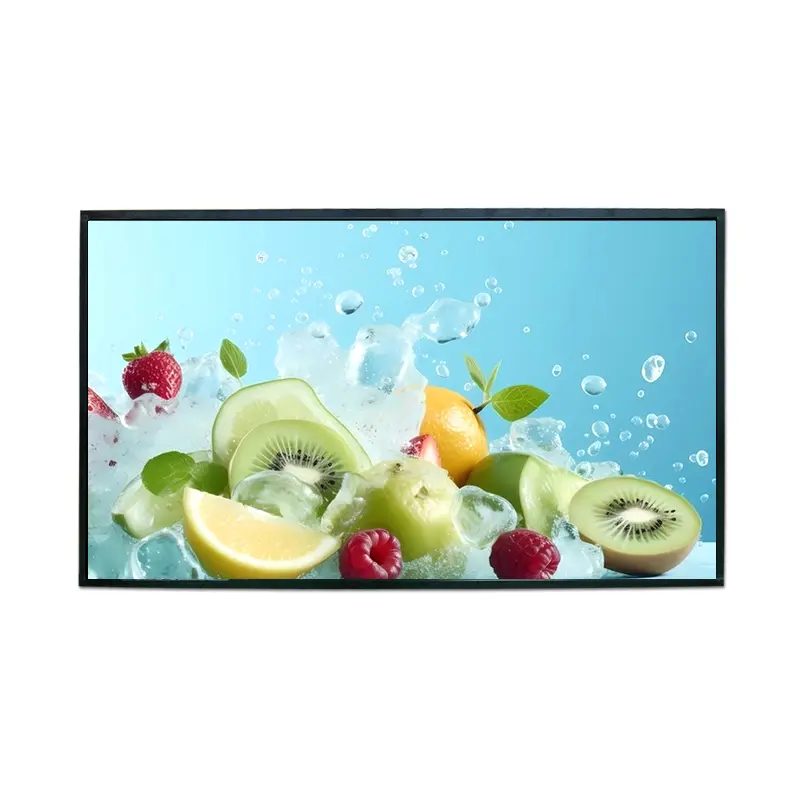
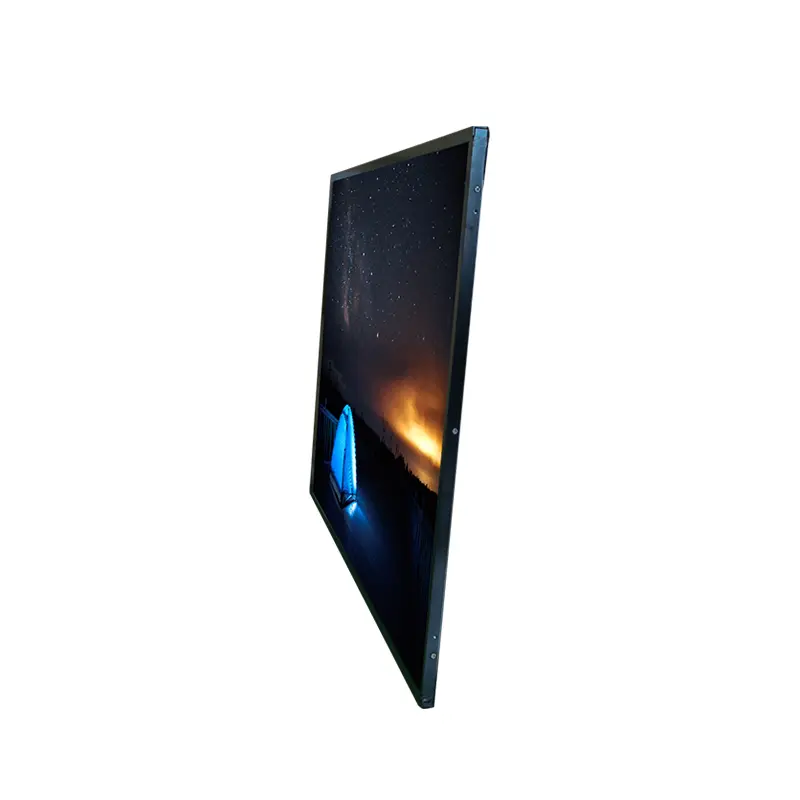
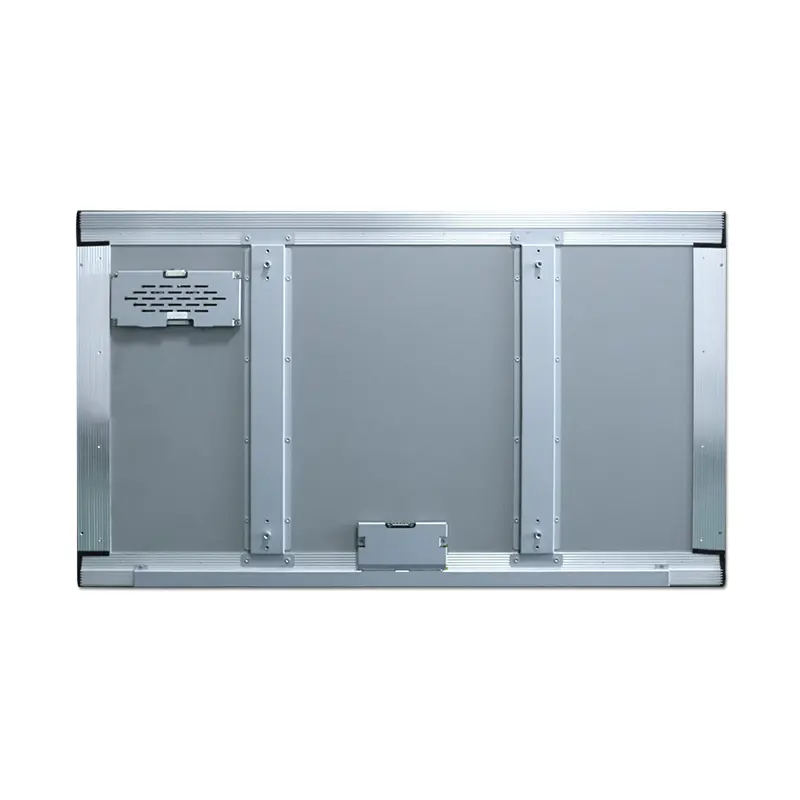
43 Inch High Brightness Digital Signage Display Module for Kiosks
Model P/N
Size
Resolution
Brightness
Viewing Angle
Connector Type
Operating Temp
Overall(mm)
huisoar
HS0430GL01-C150
Brand
Panel Size (inch)
Model P/N
Resolution
Brightness (nits)
Viewing Angle
Contrast Ratio
Response Time
Overall (mm)
Active Area (mm)
Refresh Rate
Display Colors
Panel Type
Connector Type
Operating Temp
Touchscreen Type
Storage Temp
Work Mode
Operating Environment
Designed For
43 Inch High Brightness Digital Signage Display Module for Kiosks
A 43-inch Full HD IPS module pairs a 51-pin LVDS interface with a high-brightness optical design for advertising kiosks and public-information systems.
The High Brightness Digital Signage Display Module provides a native 1920 × 1080 image area for advertising, passenger information, public guidance, production dashboards and other large-format visual interfaces. Its transmissive a-Si TFT-LCD construction uses IPS wide-view optics, a WLED backlight and a standard non-touch configuration. Production approval should cover the exact luminance version, LVDS timing and mapping, panel and backlight power, cabinet mechanics, front-window optics and environmental protection.
Product Summary
The 43-inch 16:9 format supports standard Full HD media and information layouts without requiring a nonstandard stretched-screen content workflow. Its 941.184 × 529.418 mm active area provides room for video, promotional artwork, route information, operational status, safety notices and multi-zone public-information content.
Native Full HD Content
UI and advertising assets should be prepared at the native 1920 × 1080 raster. Critical text, QR codes, pricing, logos and navigation elements should stay within the approved visible region. The selected controller must provide the correct pixel timing, refresh rate, color mapping and LVDS output for the ordered module.
IPS Wide-View Optics
The panel lists 89/89/89/89° minimum viewing angles at CR ≥ 10 in left, right, up and down order. This supports wide audience positioning, but the installed viewing experience still depends on cabinet angle, front-window reflections, content contrast and ambient light.
Key Specifications
| Parameter | Specification |
|---|---|
| Display size | 43 inch |
| Resolution | 1920 × 1080 pixels |
| Aspect ratio | 16:9 |
| Panel technology | a-Si TFT-LCD, IPS |
| Optical mode | Transmissive |
| Luminance | 1500 cd/m² project target; approved value required |
| Contrast ratio | 1000:1 typical |
| Viewing angle | 89/89/89/89° minimum, CR ≥ 10, L/R/U/D |
| Display colors | 16.7M |
| Backlight | WLED |
| Interface | 51-pin LVDS |
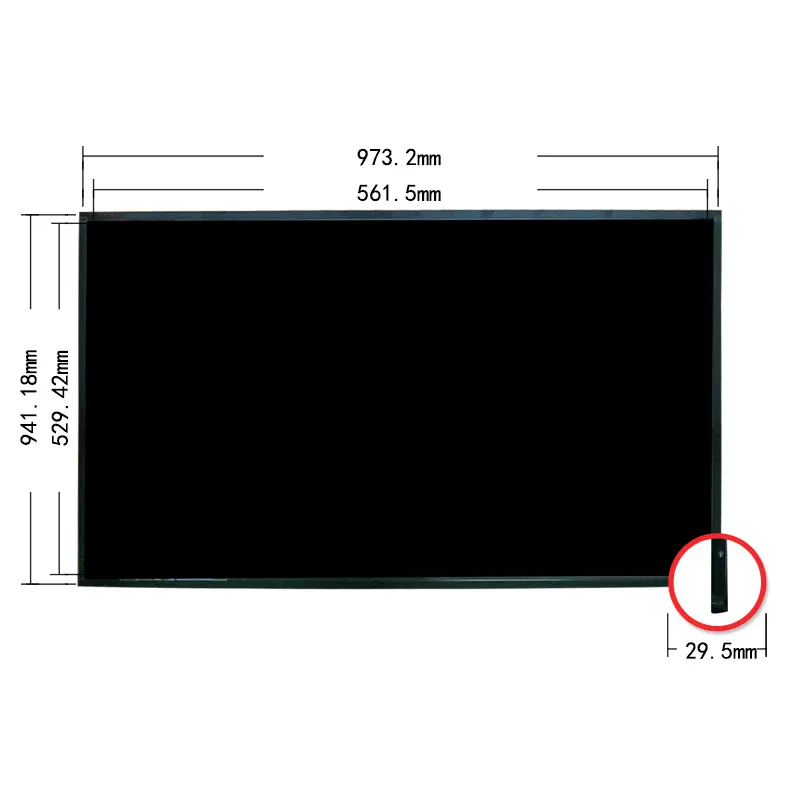
| Active area | 941.184 × 529.418 mm |
| Module outline | 973.2 × 561.5 × 29.5 mm maximum |
| Touch | No touch in the standard configuration |
| Operating temperature | 0°C to +50°C |
| Storage temperature | −20°C to +60°C |
Bright-Ambient Optical Planning
Confirm the Ordered Luminance Before Release
The intended product route is 1500 cd/m², but the final ordered luminance must be confirmed on the approved model-specific production datasheet. Optical, electrical, thermal and lifetime planning should not proceed from an unresolved numerical value.
The confirmed value should be reviewed together with the backlight-current requirements, dimming method, thermal load and permitted operating conditions.
Preserve Contrast Through the Front Stack
High panel luminance alone does not guarantee direct-sun readability. Front-window transmission, reflections, air gaps, bonding, surface treatment, installation angle, shading, viewing distance and cabinet temperature can materially change apparent contrast.
Qualification should use the intended front protection, cabinet, content and installation orientation under representative lighting. A bare-panel bench test cannot fully reproduce the finished signage system.
LVDS Integration for the High Brightness Digital Signage Display Module
A 51-Pin Connector Is Not a Compatibility Guarantee
A matching connector shape or pin count does not establish LVDS compatibility. The host must match native timing, channel count, bit mapping, voltage levels, connector orientation, grounding and cable construction.
VESA/JEIDA mapping or color-depth differences can cause incorrect colors even when a stable image is present. The complete approved pin assignment must therefore control controller-board and cable release.
Define Panel and WLED Power Separately
The display-data link and WLED backlight circuit are separate integration items. The exact panel rail, backlight voltage and current, enable signal, dimming method and power sequence require the approved electrical specification.
Brightness or interface information alone is insufficient for designing the power architecture. Thermal testing should use the final backlight operating point and cabinet airflow.
Mechanical Fit and Cabinet Planning
Active Area Versus Module Envelope
The active image area measures 941.184 × 529.418 mm. The complete module outline is 973.2 × 561.5 mm with a maximum depth of 29.5 mm.
The active area controls image-window alignment, while the larger dimensions control cabinet clearance. Mounting points, tolerances, connector projection, cable bends, support structure and service access require the complete mechanical drawing.
Standard Non-Touch Configuration
The standard module has no touchscreen. Adding projected-capacitive or another touch technology changes the front stack, overall thickness, optical transmission, controller requirements, grounding, cable routing and structural support.
Touch should be defined as a separate assembly with its own part number, drawing, controller and interface documentation.
Temperature and Outdoor-System Boundaries
Component Temperature Limits
The module is specified for operation from 0°C to +50°C and storage from −20°C to +60°C. These values should control sample testing unless an alternate approved temperature version is supplied.
Cold-start behavior, high-temperature luminance and prolonged backlight operation should be evaluated in the final cabinet.
Finished-System Protection
Component temperature limits do not establish an IP rating, condensation resistance, UV stability, vibration grade, impact resistance or finished-system weatherproofing.
Outdoor-facing signage needs a separately engineered front window, cabinet sealing, cooling path, drainage strategy, structural support and compliance plan.
Recommended Applications
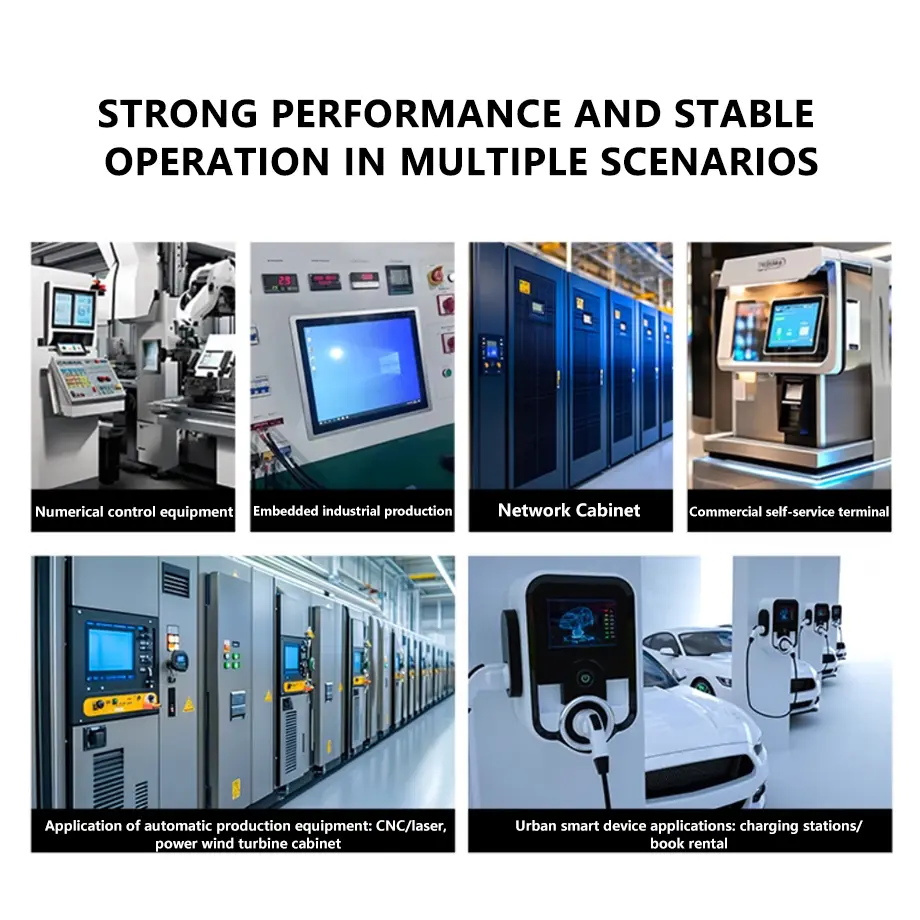
The High Brightness Digital Signage Display Module can be evaluated for advertising kiosks, passenger-information boards, transport-hub signage, retail promotional displays, public-information systems and protected outdoor-facing installations.
Advertising and Public Information
The Full HD 16:9 image area supports video, promotional graphics, route maps, announcements, prices and wayfinding. Content should be tested at the intended viewing distance and under representative ambient light.
Industrial Monitoring
The module may also support production dashboards, status walls and centralized equipment-monitoring interfaces. Industrial use requires controller, power, mechanical, temperature and service-access qualification.
The module is not a complete monitor. HDMI, DisplayPort, USB video, media playback, networking and content management require suitable external electronics.
Customization and Sample Qualification
A modified High Brightness Digital Signage Display Module project may include luminance-version review, controller-board matching, LVDS cable adaptation, cover-lens design, optical bonding, touch integration, cabinet mechanics or thermal-management changes.
Project Configuration Scope
Custom configurations are generally reviewed from 500 pieces, subject to tooling requirements, material availability and the requested specification. Sample and standard-module quantities are confirmed separately.
Qualification Sample
The sample should use the intended host, LVDS cable, power architecture, front window, cabinet, cooling system, content and installation orientation. Approval should cover image stability, color mapping, dimming, optical readability, mechanical fit and temperature operation.
Procurement Checklist
- Confirm the assigned model and supplier revision.
- Resolve the 1500 versus 15000 luminance discrepancy on the approved production datasheet.
- Submit native 1920 × 1080 timing and required refresh rate.
- Submit the complete 51-pin LVDS assignment.
- Confirm LVDS channel count, bit mapping and VESA/JEIDA convention.
- Confirm connector part number, orientation and cable construction.
- Obtain panel and WLED voltage, current, enable, dimming and power-sequence requirements.
- Approve the 941.184 × 529.418 mm active area.
- Approve the 973.2 × 561.5 × 29.5 mm maximum envelope.
- Define the front-window transmission, reflection and bonding targets.
- Confirm standard non-touch status or specify a separate touch assembly.
- Define sealing, humidity, vibration, structural-load and compliance requirements.
- Provide sample quantity, annual demand and acceptance criteria.
FAQ
About 43 Inch High Brightness Digital Signage Display Module
What must be checked before connecting an existing 51-pin LVDS controller?
Which luminance value should control optical and thermal design?
Which dimensions should control the cabinet design?
Can touch be added to the standard module?
Does the operating-temperature range establish outdoor readiness?
Freya Yang
+86 18318948097