Freya Yang
+86 18318948097
+852 62667476
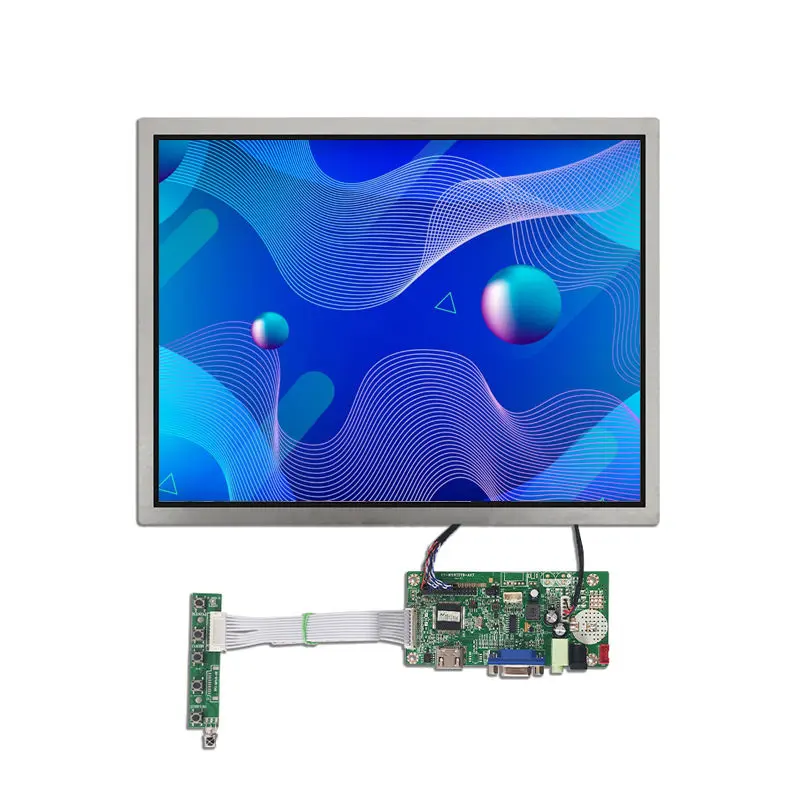
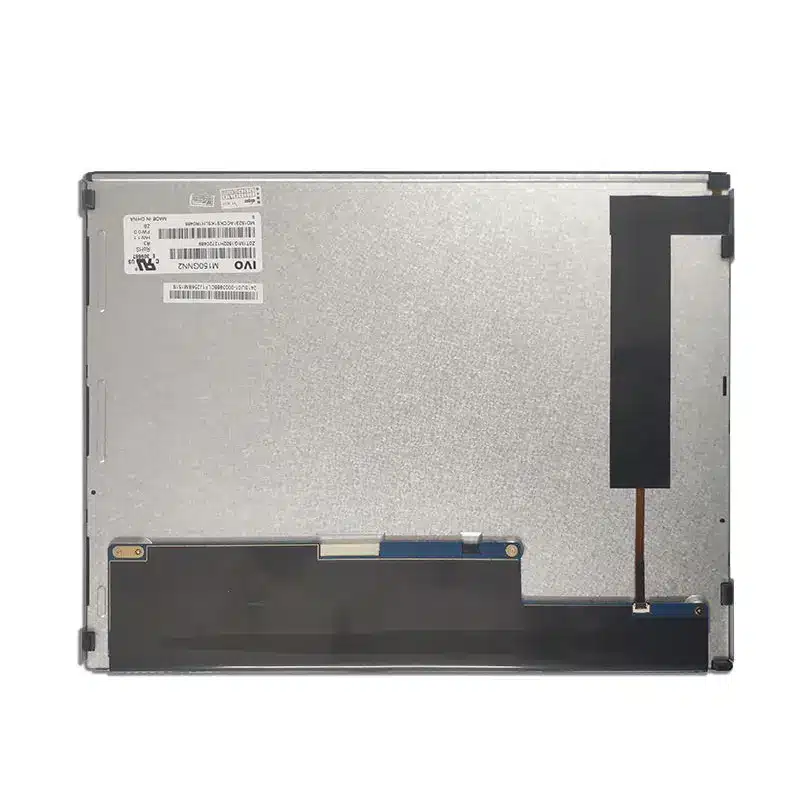
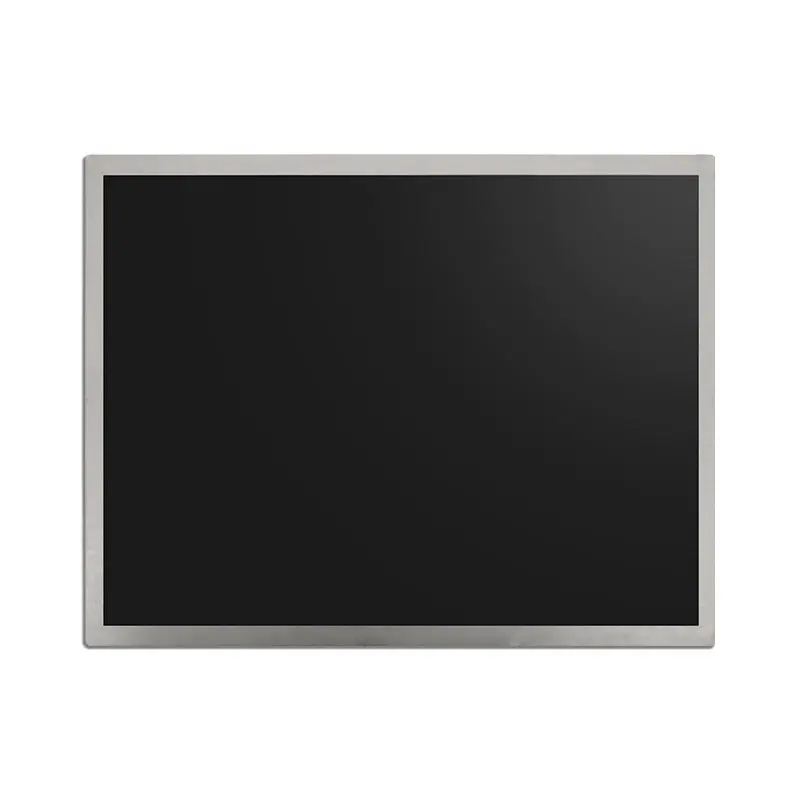
15 Inch Legacy XGA LVDS Control Display Module for Industrial HMI
Model P/N
Size
Resolution
Brightness
Viewing Angle
Connector Type
Operating Temp
Overall(mm)
huisoar
HS150LVDS10247
Brand
Panel Size (inch)
Model P/N
Resolution
Brightness (nits)
Viewing Angle
Contrast Ratio
Response Time
Overall (mm)
Active Area (mm)
Refresh Rate
Display Colors
Panel Type
Connector Type
Surface Treatment
Operating Temp
Touchscreen Type
Storage Temp
Work Mode
Pixel Format
Input Voltage (V)
Control Type
Weight (g)
Operating Environment
Designed For
15 Inch Legacy XGA LVDS Control Display Module for Industrial HMI
A 15-inch 4:3 XGA TN display with 420 cd/m² typical luminance, anti-glare 3H treatment and a 20-pin LVDS interface for established industrial control systems.
Product Summary
The Legacy XGA LVDS Control Display Module provides a practical 15-inch display platform for industrial equipment that continues to use 1024 × 768 interfaces. Its 4:3 format, 20-pin one-channel 8-bit LVDS connection and 3.3 V typical panel input make it relevant to industrial HMI panels, factory terminals, test equipment and maintenance projects where preserving an established display format is more important than converting the complete system to widescreen architecture.
The display uses a TN, Normally White, Transmissive operating mode with 420 cd/m² typical luminance and 800:1 typical contrast. An anti-glare surface with hard coating 3H supports equipment installations where front-surface reflections need to be controlled.
A matching 20-pin LVDS connector does not by itself establish electrical or timing compatibility.
Key Specifications
| Parameter | Specification |
|---|---|
| Screen size | 15 inch |
| Resolution | 1024 × 768 pixels, XGA |
| Aspect ratio | 4:3 |
| Operating mode | TN, Normally White, Transmissive |
| Brightness | 420 cd/m² typical |
| Contrast ratio | 800:1 typical |
| Best-view direction | 6 o'clock |
| Viewing specification | 80°/80°/80°/80° typical at CR≥10 |
| Colors | 16.2M, 70% NTSC |
| Response time | 16 ms typical, Tr/Td |
| Refresh rate | 60 Hz |
| Pixel pitch | 0.2970 × 0.2970 mm |
| Surface | Anti-glare, hard coating 3H |
| Active area | 304.128 × 228.096 mm |
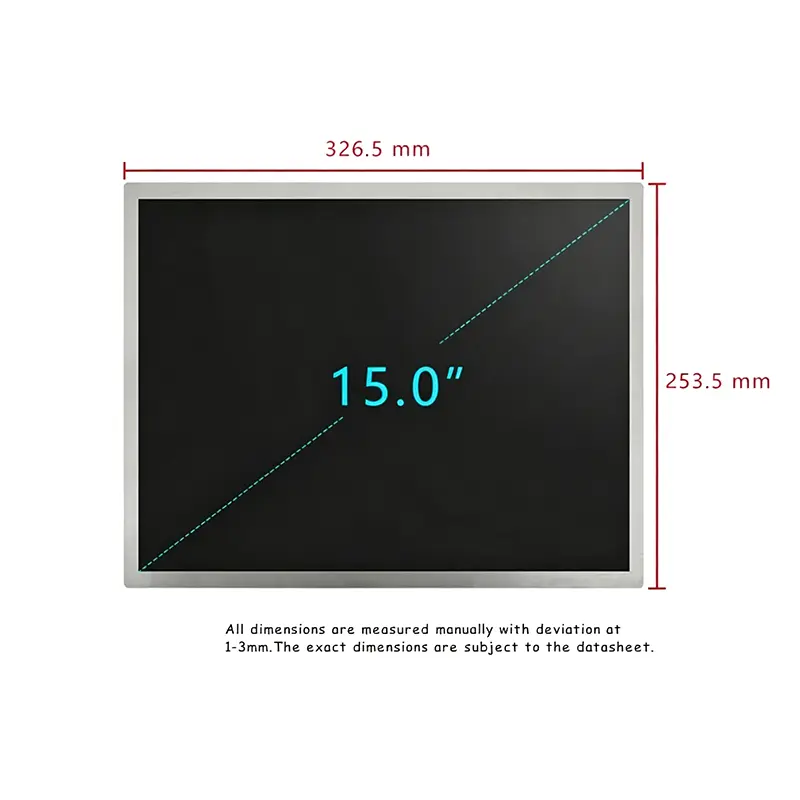
| Outline | 326.5 × 253.5 × 12 mm |
| Interface | 20-pin, one-channel, 8-bit LVDS |
| Panel input | 3.3 V typical |
| Backlight | WLED [10S3P], with LED driver |
| Backlight reference | 30,000 hours |
| Operating temperature | −10°C to +65°C |
| Storage temperature | −20°C to +70°C |
| Weight | 1,200 g maximum |
| Touch | No touch |
XGA 4:3 Layout for Established Industrial Systems
Native XGA interface layouts
The 1024 × 768 raster maintains the conventional 4:3 workspace used by many earlier industrial HMIs, PLC interfaces, test instruments and machine-control systems. This is useful where software menus, status windows, alarms and operator controls were originally developed around XGA geometry.
Keeping the native raster can reduce scaling changes during a maintenance project, but resolution alone does not establish drop-in replacement compatibility. Pixel timing, LVDS mapping, mechanical dimensions and connector location still need to match the equipment.
Anti-glare optical surface
The anti-glare surface and 3H hard coating help reduce disruptive reflections in controlled industrial environments. The fixed 420 cd/m² typical luminance provides practical indoor and protected-equipment visibility without implying sunlight-readable performance.
Front glass, air gaps, enclosure lighting and installation angle should still be evaluated because they can change apparent contrast at the operator position.
Legacy XGA LVDS Control Display Module Integration
20-pin LVDS qualification
The panel receives image data through a 20-pin, one-channel, 8-bit LVDS connection. For a replacement or controller-development project, engineering should verify the complete pin assignment rather than relying on connector count.
Qualification should cover native 1024 × 768 timing, LVDS mapping convention, connector orientation, cable construction, grounds, enable requirements and the 3.3 V panel rail.
Comparable 15-inch XGA modules commonly use 20-pin LVDS, but individual pinout and controller details still remain model-specific.
3.3 V panel input
The LCD logic input is specified at 3.3 V typical. That value applies to the panel input and should not be interpreted as the complete equipment supply or automatically applied to an external controller board.
The host and display power architecture should be reviewed as separate electrical domains before prototype release.
WLED backlight and integrated driver
The backlight is identified as WLED with a [10S3P] configuration and an LED driver. A 30,000-hour backlight reference is also specified.
This confirms the general backlight architecture but does not establish every electrical parameter required for PCB or harness design. Voltage, current, enable behavior, dimming requirements and the conditions behind the 30,000-hour figure should be locked to the ordered revision.
TN Viewing Direction and Installation
6 o'clock best-view positioning
The panel is specified with a 6-o'clock best-view direction. This is an important mechanical integration parameter for TN displays because final perceived contrast can vary with operator position.
For equipment mounted above or below normal eye level, the module orientation should be evaluated in the actual enclosure rather than assuming that rotating another XGA screen into the same opening will preserve the same viewing behavior.
The raw 80°/80°/80°/80° viewing values are retained without assigning an unsupported direction sequence.
Mechanical Replacement Planning
Active area versus complete outline
The active image area measures 304.128 × 228.096 mm, while the complete panel outline is 326.5 × 253.5 × 12 mm.
These dimensions serve different design functions. The active area controls the visible window, while the complete outline controls enclosure clearance, bezel retention, rear-component space and cable routing.
The 1,200 g maximum mass should also be considered when evaluating existing brackets or mounting structures.
A replacement project should compare mounting points and connector position in addition to the overall width and height.
Temperature and Backlight Qualification
The confirmed operating range is −10°C to +65°C, with storage from −20°C to +70°C. These values provide a broader environment than many office-grade displays but should not be described as an extreme-temperature or outdoor rating without finished-system validation.
The display's thermal limits should be checked against enclosure heat, controller dissipation and the equipment's expected ambient temperature.
The 30,000-hour WLED figure is a backlight reference and should remain tied to the applicable test conditions rather than being converted into an unsupported service-life guarantee.
Industrial Application Fit
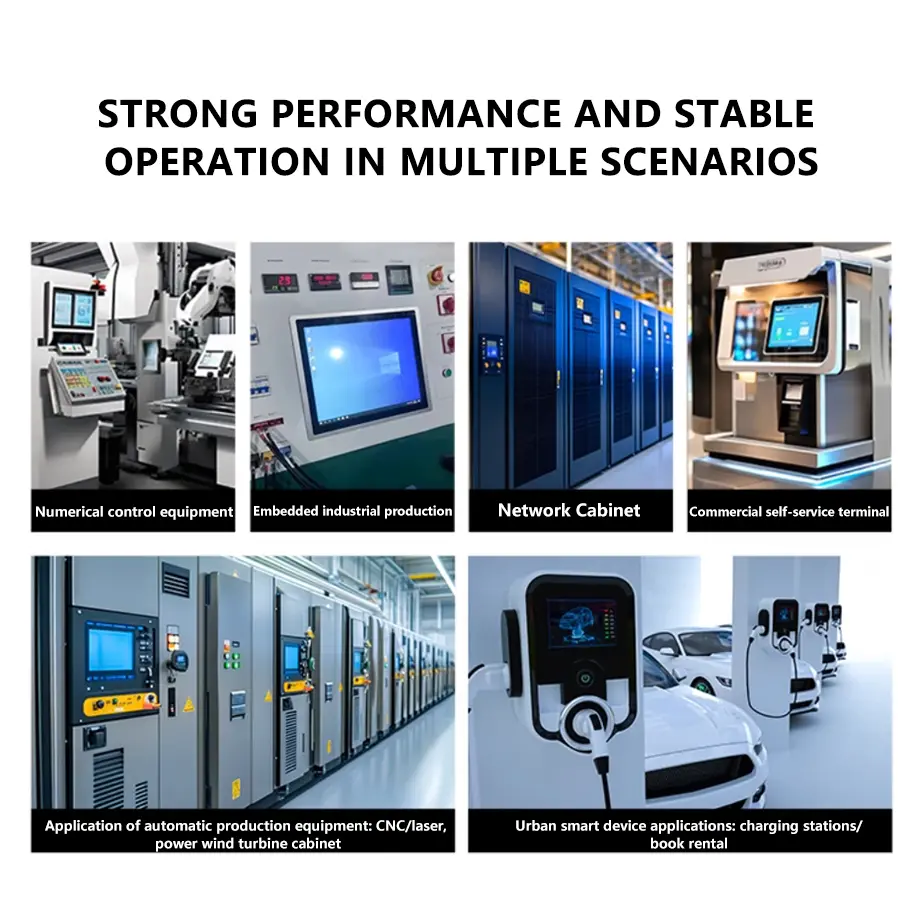
The Legacy XGA LVDS Control Display Module is suitable for evaluation in factory-control panels, operator terminals, industrial computers, test and measurement equipment, embedded control devices and legacy-equipment maintenance projects.
Its strongest application value is continuity: 15-inch 4:3 geometry, XGA resolution and LVDS integration remain common in equipment that was designed before widescreen formats became standard.
The panel should be treated as a component rather than a complete monitor. HDMI, VGA, enclosure electronics, touch sensing and protective front glass require separate system-level engineering when needed.
Configuration and Customization
LVDS cable definition, controller-board selection, front glass, separate touch integration, WLED electrical review, mechanical adaptation, branding and packaging can be evaluated according to project requirements.
Custom configurations are generally reviewed from 500 pieces, subject to tooling requirements, material availability and the requested specification. Sample and standard-module quantities are confirmed separately.
Procurement Checklist
Before sample or production approval, confirm:
- exact ordered LCD revision;
- native 1024 × 768 timing;
- 4:3 UI geometry;
- TN, Normally White, Transmissive operation;
- 420 cd/m² luminance and tolerance;
- 800:1 typical contrast;
- 6-o'clock best-view direction;
- 80°/80°/80°/80° viewing data and required direction mapping;
- 16 ms response condition;
- 16.2M / 70% NTSC color mode;
- anti-glare 3H surface;
- 60 Hz operation;
- complete 20-pin one-channel 8-bit LVDS pinout;
- LVDS mapping and connector orientation;
- 3.3 V panel input;
- WLED
[10S3P]voltage, current, enable and dimming requirements; - integrated LED-driver conditions;
- 30,000-hour backlight reference conditions;
- 304.128 × 228.096 mm active area;
- 326.5 × 253.5 × 12 mm mechanical envelope;
- 1,200 g maximum mass;
- no-touch configuration or separate touch requirement;
- −10°C to +65°C operation;
- −20°C to +70°C storage;
- sample quantity and annual demand.
FAQ
About 15 Inch Legacy XGA LVDS Control Display Module
What must be checked before replacing another 15-inch 20-pin LVDS panel?
How should the 6-o'clock best-view direction affect mounting?
What does the integrated WLED driver change in power planning?
Is 420 cd/m² appropriate for an industrial HMI?
Which mechanical data matter most for a legacy replacement?
Freya Yang
+86 18318948097