Freya Yang
+86 18318948097
+852 62667476
15 Inch Outdoor Face Recognition TFT LCD Panel for Access Terminals
Model P/N
Size
Resolution
Brightness
Viewing Angle
Connector Type
Operating Temp
Overall(mm)
huisoar
HS150LW-NE15
Brand
Panel Size (inch)
Model P/N
Resolution
Brightness (nits)
Viewing Angle
Contrast Ratio
Response Time
Overall (mm)
Active Area (mm)
Refresh Rate
Display Colors
Panel Type
Connector Type
Operating Temp
Touchscreen Type
Storage Temp
Work Mode
Input Voltage (V)
Designed For
15 Inch Outdoor Face Recognition TFT LCD Panel for Access Terminals
A 15-inch XGA panel with 1500 cd/m² typical luminance and 20-pin LVDS for bright access-control and self-service interfaces.
Product Summary
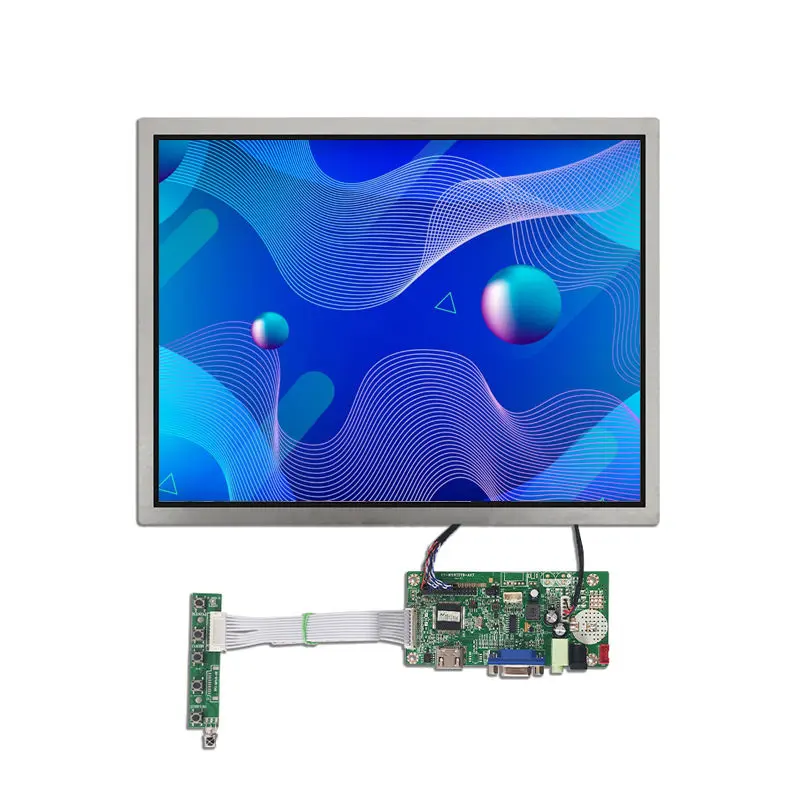
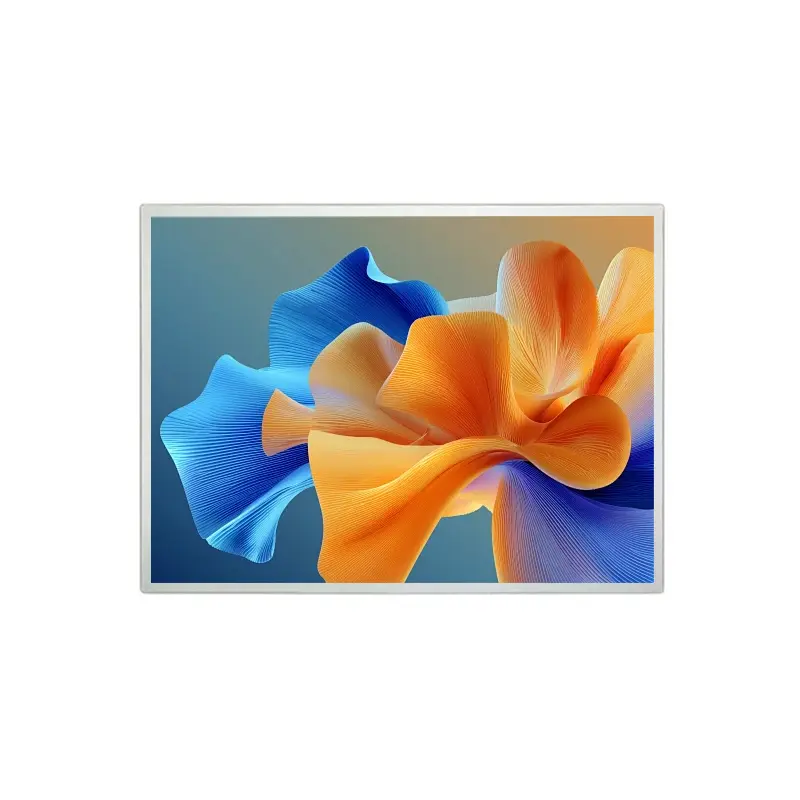
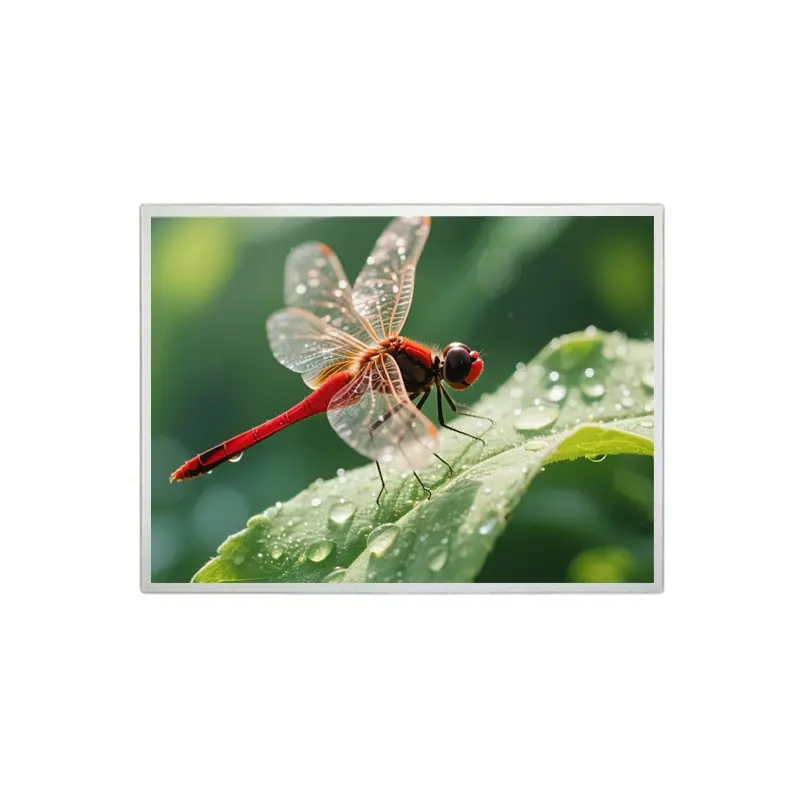
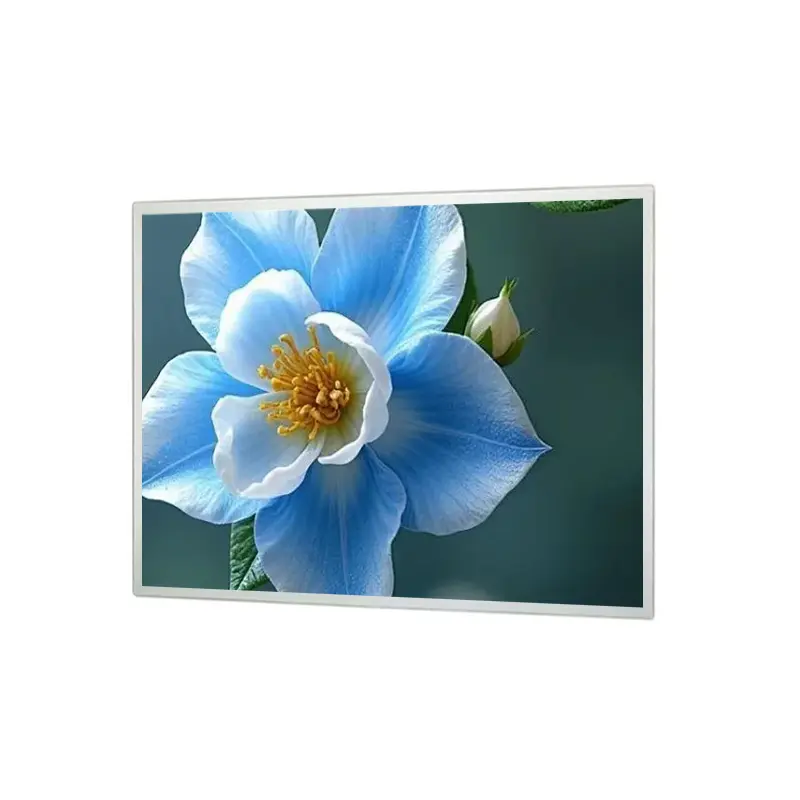
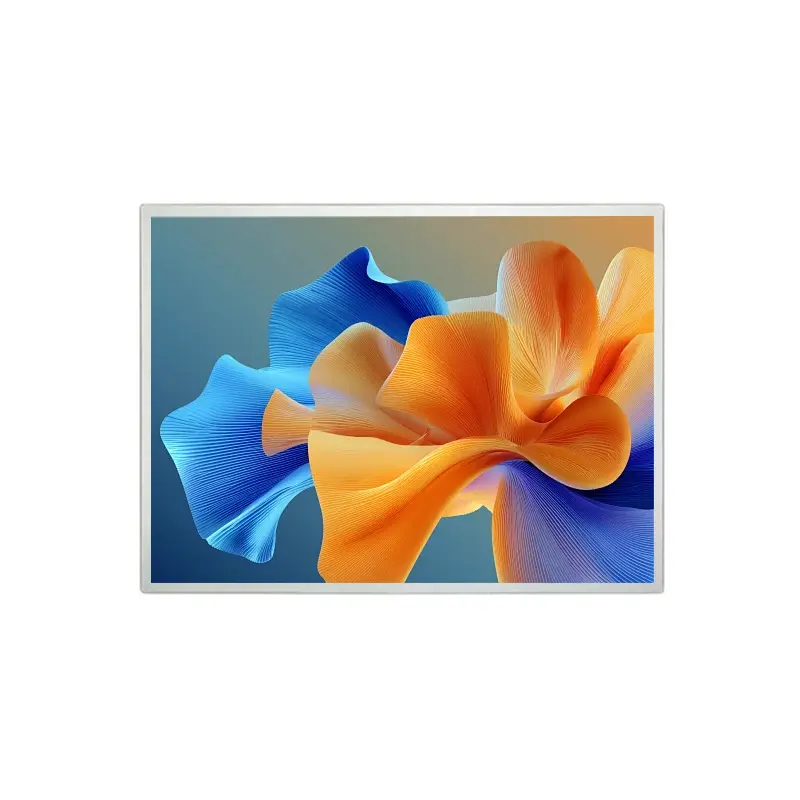
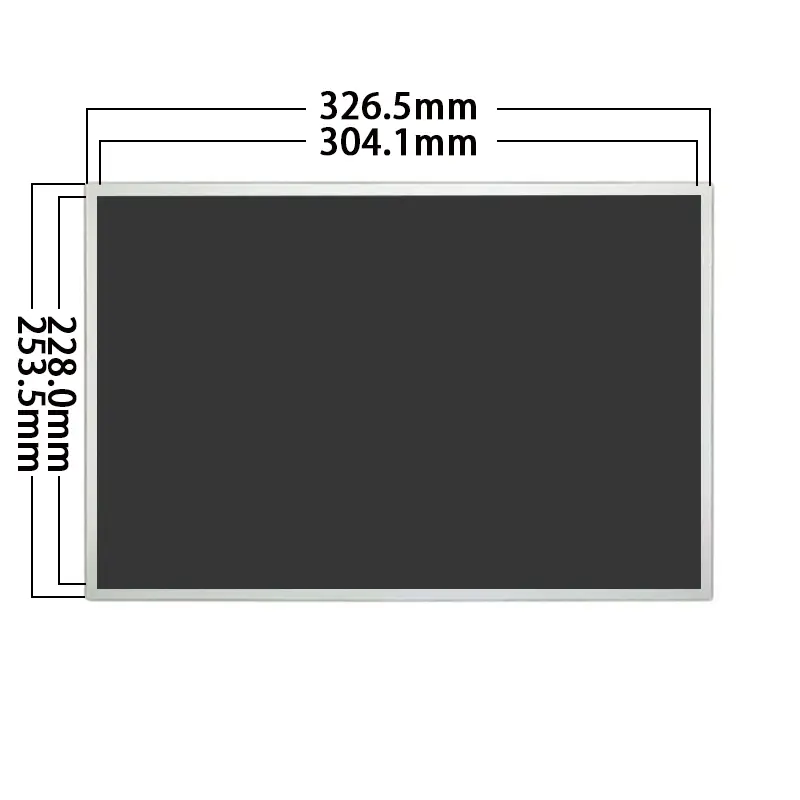
The Outdoor Face Recognition TFT LCD Panel is a 15-inch 4:3 component display for access terminals and embedded equipment that needs a bright XGA interface. It combines 1024 × 768 resolution, 1500 cd/m² typical luminance, 20-pin LVDS, 3.3 V typical panel input, WLED backlighting, and a non-touch structure. Its 304.128 × 228.096 mm active area fits within a 326.5 × 253.5 × 10.1 mm maximum envelope. It is a display component for face-recognition systems, not a complete biometric terminal.
Key Specifications at a Glance
| Specification | Confirmed Value |
|---|---|
| Screen size | 15 inches |
| Resolution | 1024 × 768 pixels (XGA) |
| Aspect ratio | 4:3 |
| Panel technology | a-Si TFT-LCD, IPS hard-screen family |
| Optical mode | Transmissive |
| Brightness | 1500 cd/m² typical |
| Contrast ratio | 700:1 typical |
| Display colors | 16.2M |
| Backlight | WLED |
| Signal interface | 20-pin LVDS |
| Panel input | 3.3 V typical |
| Active area | 304.128 × 228.096 mm |
| Overall envelope | 326.5 × 253.5 × 10.1 mm maximum |
| Touch | Non-touch |
| Operating temperature | 0°C to +50°C |
| Storage temperature | −20°C to +65°C |
The exact viewing-angle grade requires production-revision confirmation because specification sets contain both 85/85/85/85° and 89/89/89/89° sequences for L/R/U/D.
XGA 4:3 Layout and Bright-Ambient Performance
1024 × 768 UI Space for Access Terminals
The 1024 × 768 XGA raster provides a 4:3 workspace for camera-preview regions, identity prompts, status messages, credential instructions, and service information without requiring a widescreen enclosure. The 15-inch format is especially practical for equipment families already designed around XGA controllers or 4:3 front openings.
This panel remains a component-level display. The terminal manufacturer still defines the processor, camera, enclosure, user input, and application software.
Fixed 1500 cd/m² Luminance
The 1500 cd/m² typical luminance provides substantial optical headroom for entrances, gates, kiosks, storefront-adjacent terminals, and other high-ambient-light locations. It also gives procurement teams a fixed optical grade instead of a broad brightness-family range.
The 1500 cd/m² typical panel luminance does not by itself guarantee finished-system direct-sun readability through a cover window. Front-glass transmission, reflections, bonding, installation angle, thermal conditions, and ambient light still determine the contrast the user sees.
Integrating the Outdoor Face Recognition TFT LCD Panel
20-Pin LVDS Host Qualification
A matching 20-pin LVDS connector does not guarantee timing, voltage, channel mapping, bit depth, or pin compatibility. Before controller-board release, verify the complete pin assignment, native 1024 × 768 timing, connector orientation, electrical levels, and cable routing for the approved panel revision.
Two 15-inch XGA panels can share the same resolution and connector count while using different electrical details. Pin count is therefore an initial screening parameter, not proof of interchangeability.
3.3 V Panel Input and WLED Boundary
The 3.3 V typical value applies to the panel drive; it does not define the WLED backlight electrical requirements. Backlight voltage, current, enable/dimming behavior, and driver requirements should be confirmed separately before the power design is frozen.
Mechanical and Environmental Integration
Active Area Versus Module Envelope
The 304.128 × 228.096 mm active area defines the image region, while the 326.5 × 253.5 × 10.1 mm maximum envelope governs enclosure clearance and depth. Use the active area for the visible opening and the complete mechanical drawing for mounting, edge clearance, connector access, and cable routing.
Viewing-Angle Revision Control
The viewing-angle grade requires revision control: one specification set gives 85/85/85/85°, while another gives 89/89/89/89° for left/right/up/down. Equipment teams should lock the approved production revision before using an exact angle value in a customer specification or freezing installation geometry.
Temperature and Non-Touch Boundaries
The confirmed operating range is 0°C to +50°C, with storage from −20°C to +65°C. These limits must be compared with the temperature inside the terminal, where solar loading, processor heat, and reduced airflow can raise component temperature.
The standard module is non-touch, so interactive input requires a separately qualified touch assembly or another input method. Adding touch changes the optical and mechanical stack and should be validated as a separate configuration.
Recommended Equipment Applications
The Outdoor Face Recognition TFT LCD Panel is relevant where a 15-inch 4:3 display, fixed 1500 cd/m² luminance, and LVDS integration match the equipment architecture. Evaluation routes include face-recognition access terminals, gate and barrier interfaces, self-service kiosks, vending equipment, charging-pile information screens, and outdoor-facing commercial or industrial terminals.
Application approval should remain tied to the final optical stack, enclosure, controller, temperature profile, and interaction design. The operating range does not establish waterproofing, UV resistance, an IP rating, or all-season outdoor suitability.
Procurement Checklist
- Confirm native 1024 × 768 timing and the complete 20-pin LVDS pin assignment.
- Confirm connector orientation, cable routing, electrical levels, and controller compatibility.
- Confirm the 3.3 V panel input and separate WLED backlight electrical data.
- Approve the 304.128 × 228.096 mm active area and 326.5 × 253.5 × 10.1 mm envelope.
- Resolve the 85° versus 89° viewing-angle grade against the approved production revision.
- Validate 1500 cd/m² typical luminance through the final front window under target lighting.
- Confirm non-touch or define the complete separate touch assembly.
- Check the 0°C to +50°C operating and −20°C to +65°C storage limits.
- Submit sample quantity, annual demand, application environment, and front-stack requirements.
FAQ
About 15 Inch Outdoor Face Recognition TFT LCD Panel
What must be checked before replacing another 20-pin LVDS panel?
Is 1500 cd/m² sufficient for an outdoor face-recognition terminal?
What is required if the terminal needs touch input?
Which viewing-angle value should be used for production qualification?
Freya Yang
+86 18318948097