Freya Yang
+86 18318948097
+852 62667476
12.1 Inch High Brightness LCD Module for Bus Station
Model P/N
Size
Resolution
Brightness
Viewing Angle
Connector Type
Operating Temp
Overall(mm)
huisoar
HS0121GR01-C100
Brand
Panel Size (inch)
Model P/N
Resolution
Brightness (nits)
Viewing Angle
Contrast Ratio
Response Time
Overall (mm)
Active Area (mm)
Refresh Rate
Display Colors
Panel Type
Connector Type
Operating Temp
Touchscreen Type
Storage Temp
Work Mode
Pixel Format
Input Voltage (V)
Operating Environment
Designed For
12.1 Inch High Brightness LCD Module for Bus Station
This 12.1-inch XGA module combines 1000 cd/m² typical luminance, 1-channel LVDS and a non-touch 4:3 format for transit information systems.
Product Summary
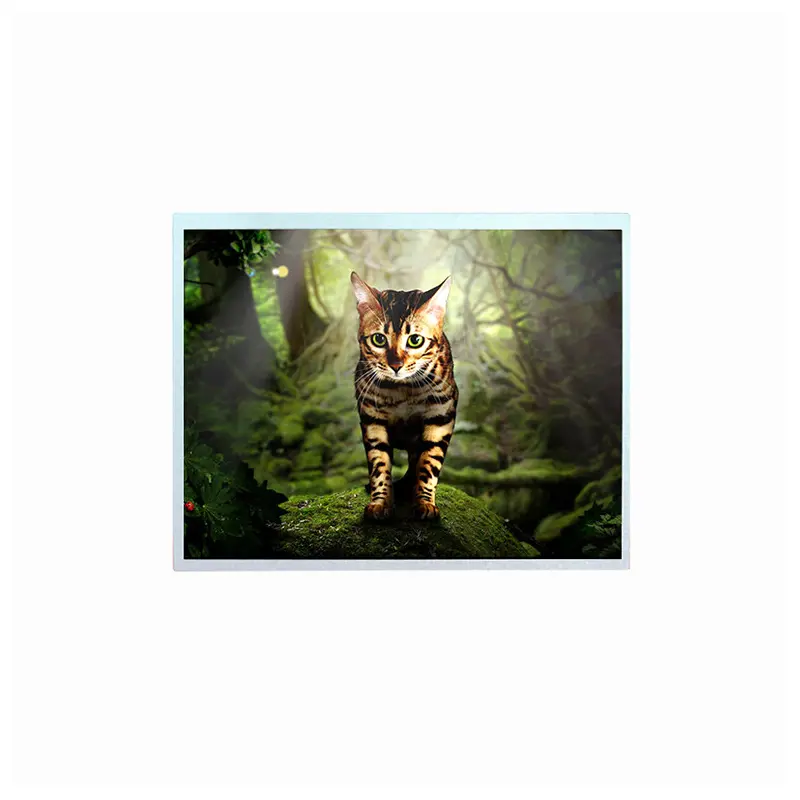
The High Brightness LCD Module for Bus Station projects provides a 12.1-inch 1024 × 768 image area for timetable, route, advertising and public-information interfaces. Its 4:3 aspect ratio suits layouts that combine text rows, route numbers, maps and status blocks without requiring a wide-screen enclosure.
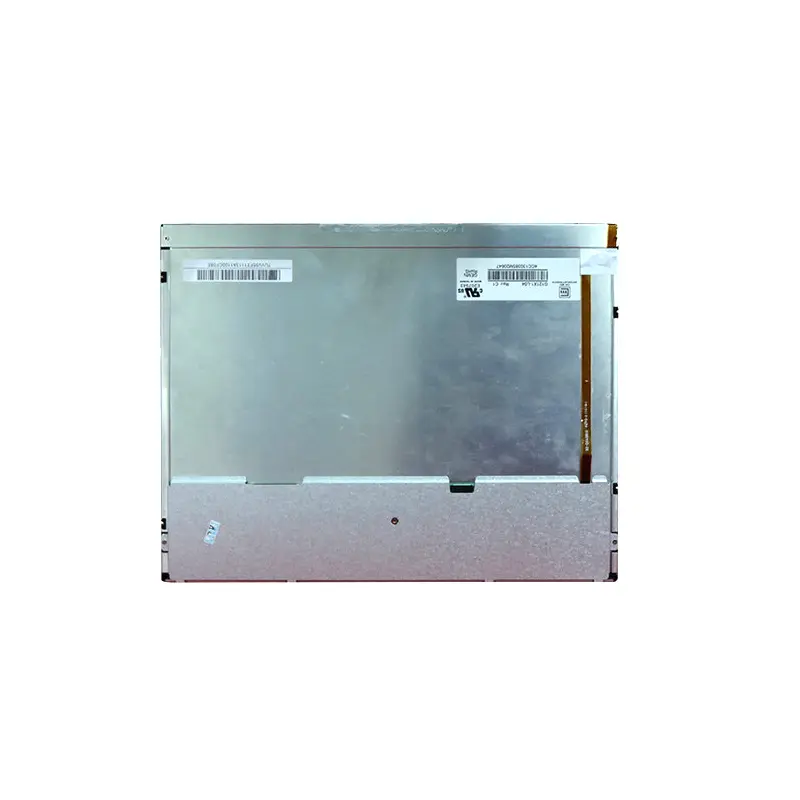
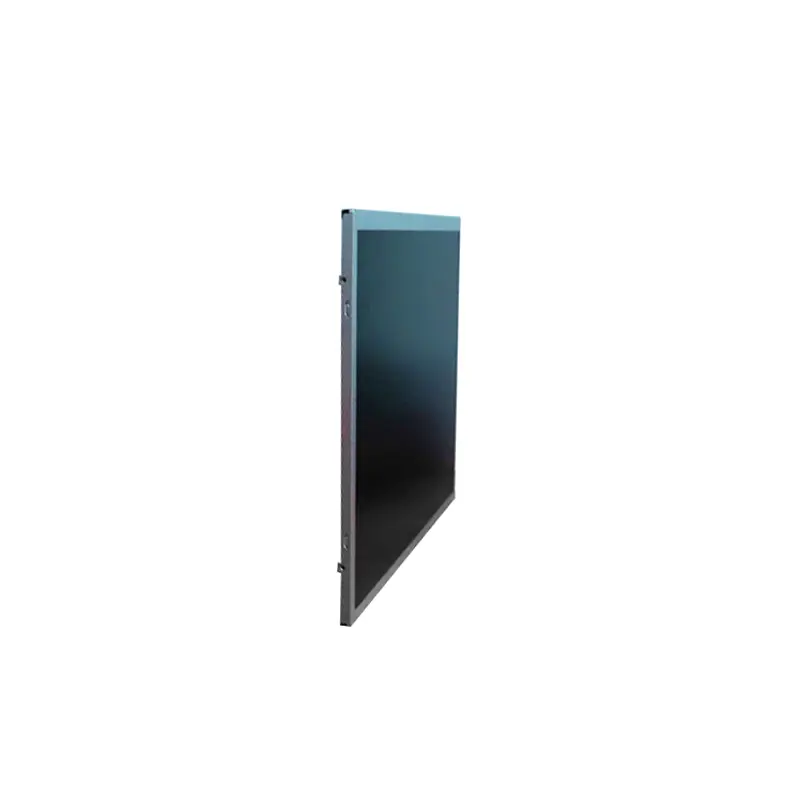
The standard configuration is rated at 1000 cd/m² typical luminance and uses a WLED backlight. A 245.76 × 184.32 mm active area fits within a 260.5 × 204 × 8.46 mm module outline. The interface is specified as 1-channel LVDS with 6/8-bit support, while the standard assembly is non-touch.
A 1000 cd/m² panel can support high-ambient-light design, but finished outdoor readability still depends on cover glass, reflections and installation conditions.
Key Specifications
| Parameter | Value |
|---|---|
| Display size | 12.1 inches |
| Resolution | 1024 × 768 pixels |
| Aspect ratio | 4:3 |
| Luminance | 1000 cd/m² typical |
| Active area | 245.76 × 184.32 mm |
| Module outline | 260.5 × 204 × 8.46 mm |
| Interface | 1-channel LVDS, 6/8-bit |
| Viewing-angle sequence | 88/88/88/88°; direction order requires confirmation |
| Contrast ratio | 1000:1 |
| Backlight | WLED |
| Power consumption | 12 W; test condition requires confirmation |
| Operating temperature | −30°C to +80°C |
| Standard touch configuration | Non-touch |
1000 cd/m² Visibility for Transit Information
4:3 XGA Layout for Timetables
The native 1024 × 768 raster should be used when preparing route lists, departure times, service notices and maps. A 4:3 canvas gives more vertical space than a 16:9 screen of similar width, which can help display more timetable rows or a map beside a text column.
System software should be tested at native resolution. Scaling from a wide-screen signal may introduce unused borders, stretched graphics or reduced text clarity.
Cover Glass and Ambient Reflection
Luminance is only one part of field readability. The final result also depends on the front-window transmission, surface reflection, air gap, viewing position and shelter orientation. A clear untreated cover can reflect sky, vehicles and nearby lighting even when the LCD itself is bright.
Review anti-glare, anti-reflective or optical-bonding options as system-level choices. Validate the complete front stack at the intended bus shelter or station rather than approving the bare panel from a bench test.
Thermal and Backlight Planning
High-brightness operation creates a thermal load that must be considered in the enclosure. The 12 W power value should be confirmed at the ordered luminance, backlight setting and ambient temperature. Controller power, backlight-driver losses, protective heaters, fans and communications electronics belong to the finished-system budget.
The 12 W value must be confirmed for the ordered brightness configuration and backlight operating condition.
Integrating the High Brightness LCD Module for Bus Station
1-Channel LVDS Compatibility
A 1-channel LVDS label does not guarantee pinout, timing, voltage or bit-mapping compatibility.
Before selecting a controller, confirm the full connector definition, native pixel clock, horizontal and vertical timing, LVDS mapping, logic voltage, enable controls and backlight electrical requirements. A controller that supports 1024 × 768 may still use a different connector or mapping.
6/8-Bit Mapping and Controller Qualification
The interface is identified as 1-channel LVDS with 6/8-bit support. The production configuration must define which mapping is used and whether the controller firmware is prepared for that format.
Request the approved interface table and a sample test image. Color ramps, small fonts and gray backgrounds can reveal incorrect bit mapping more clearly than photographs.
Power and Backlight Control
The WLED backlight requires a matched driver and suitable brightness control. The LCD logic rail, backlight supply and controller-board input should be treated as separate design items until the electrical specification defines them.
Do not infer backlight voltage, current, dimming method or startup sequence from the 12 W power entry. These values should be approved before cable or power-board release.
Mechanical Fit and Viewing Geometry
Active Area and Module Outline
The 245.76 × 184.32 mm active area controls the visible opening. The 260.5 × 204 × 8.46 mm outline controls module clearance, but the complete enclosure must also account for the connector, cable bend, mounting support, ventilation and service access.
Use the approved drawing for tolerance, hole and connector-location decisions. A nominal 12.1-inch diagonal does not establish mechanical interchangeability with another 12.1-inch panel.
Viewing-Angle Sequence
The specified viewing sequence is 88/88/88/88°. Because the direction order is not identified, it should not be assigned to left, right, up or down in the installation drawing without the approved datasheet.
The 88/88/88/88 sequence should not be assigned to directions until the datasheet defines the order.
Application Fit for Public Information Equipment
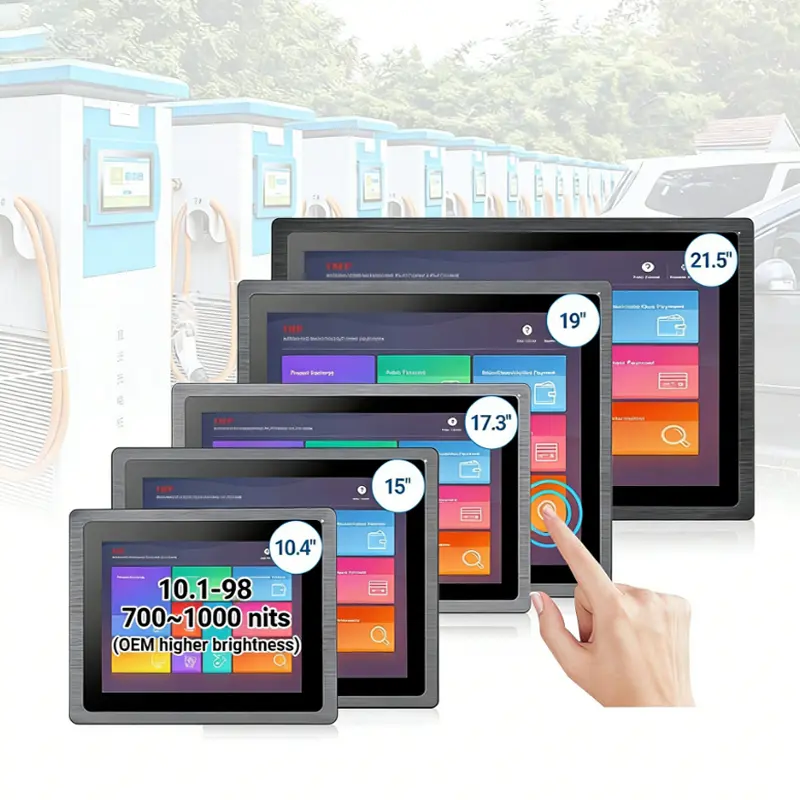
The High Brightness LCD Module for Bus Station integration route is relevant to timetable boards, route-information terminals and sheltered passenger-information equipment. The same 12.1-inch XGA format may also fit charging equipment, express cabinets, vending machines, community information boards and compact advertising interfaces.
The module is not a complete outdoor display. Weather sealing, cover protection, condensation control, thermal management, controller electronics, power conversion and mounting belong to the finished system. The standard module is non-touch, so interactive use requires separately qualified touch hardware.
Customization and Procurement
The standard luminance is 1000 cd/m² typical. Other luminance targets may be evaluated as separate configurations, subject to optical, electrical, thermal and backlight-life validation. Do not assume that power consumption, backlight life or operating limits remain unchanged after a brightness modification.
Project review may include LVDS cable and controller matching, cover glass, anti-glare or anti-reflective treatment, optical bonding, touch integration, enclosure adaptation, mounting and packaging. Sample and production quantities should be confirmed separately.
Procurement Checklist
Confirm the following before sample or production approval:
- Approved 12.1-inch model and production revision
- Native 1024 × 768 timing and 4:3 content layout
- Complete LVDS connector and pin assignment
- 1-channel mapping and selected 6-bit or 8-bit mode
- Panel logic and WLED backlight electrical requirements
- Controller firmware and cable orientation
- 1000 cd/m² ordered luminance and acceptable tolerance
- Scope and test condition of the 12 W power value
- 245.76 × 184.32 mm active opening
- 260.5 × 204 × 8.46 mm module fit
- Viewing-angle direction order
- Front-window transmission and reflection control
- Non-touch or separately engineered touch configuration
- −30°C to +80°C operating requirement
- Sample criteria, project quantity and annual demand
FAQ
About 12.1 Inch High Brightness LCD Module
What must be checked before connecting an XGA LVDS controller?
Is 1000 cd/m² sufficient for an open-air bus station?
How should a 1024 × 768 bus timetable interface be prepared?
What does the 12 W power consumption cover?
Can touch be added to the standard module?
Freya Yang
+86 18318948097