Freya Yang
+86 18318948097
+852 62667476
18.5 Inch Industrial Kiosk Display Module for Bright Environments
Model P/N
Size
Resolution
Brightness
Viewing Angle
Connector Type
Operating Temp
Overall(mm)
huisoar
HS185F01A
Brand
Panel Size (inch)
Model P/N
Resolution
Brightness (nits)
Viewing Angle
Contrast Ratio
Response Time
Overall (mm)
Active Area (mm)
Refresh Rate
Display Colors
Panel Type
Connector Type
Operating Temp
Touchscreen Type
Storage Temp
Work Mode
Pixel Format
Operating Environment
I/O Interface
Designed For
18.5 Inch Industrial Kiosk Display Module for Bright Environments
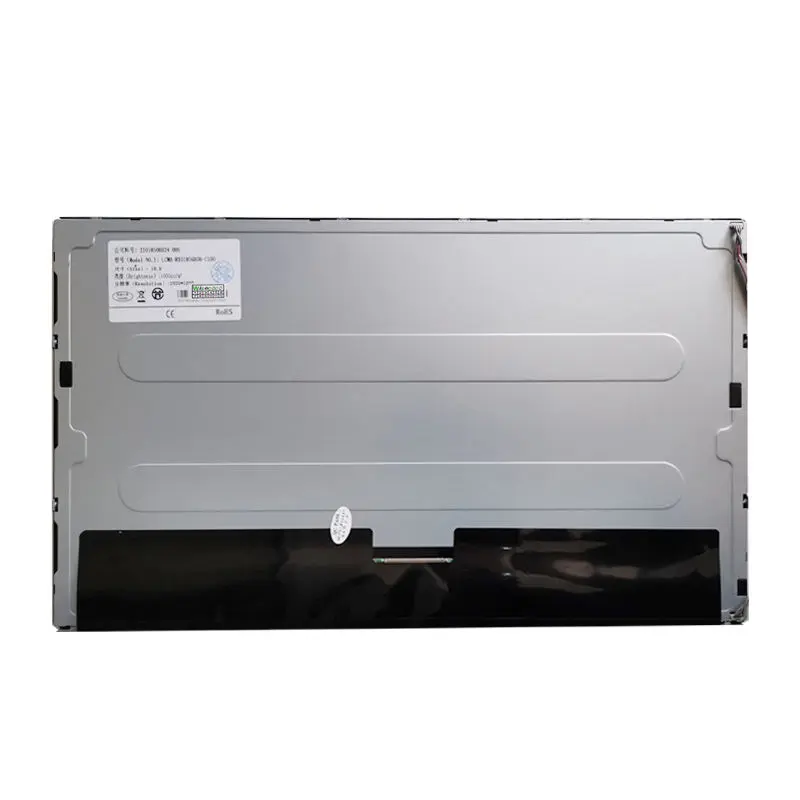
This 18.5-inch Full HD IPS module combines 1000 cd/m² luminance with dual-channel LVDS and an optional touch or controller-board integration route.
Product Summary
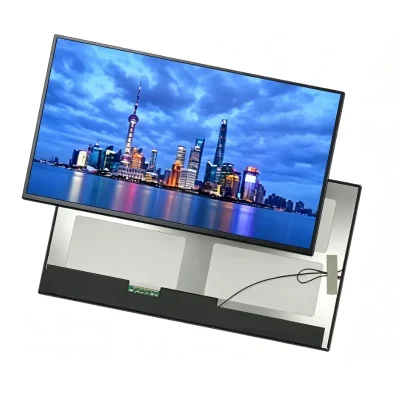
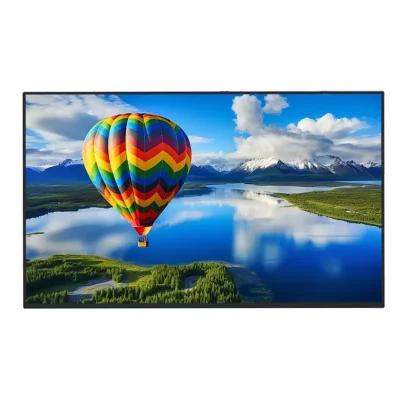
The Industrial Kiosk Display Module provides an 18.5-inch screen platform for public terminals, self-service equipment and industrial interfaces that need Full HD content and stronger visibility under bright ambient lighting. Its 1920 × 1080 resolution supports detailed menus, instructions, media and status information, while the 1000 cd/m² luminance gives system designers a higher optical starting point than a conventional indoor panel.
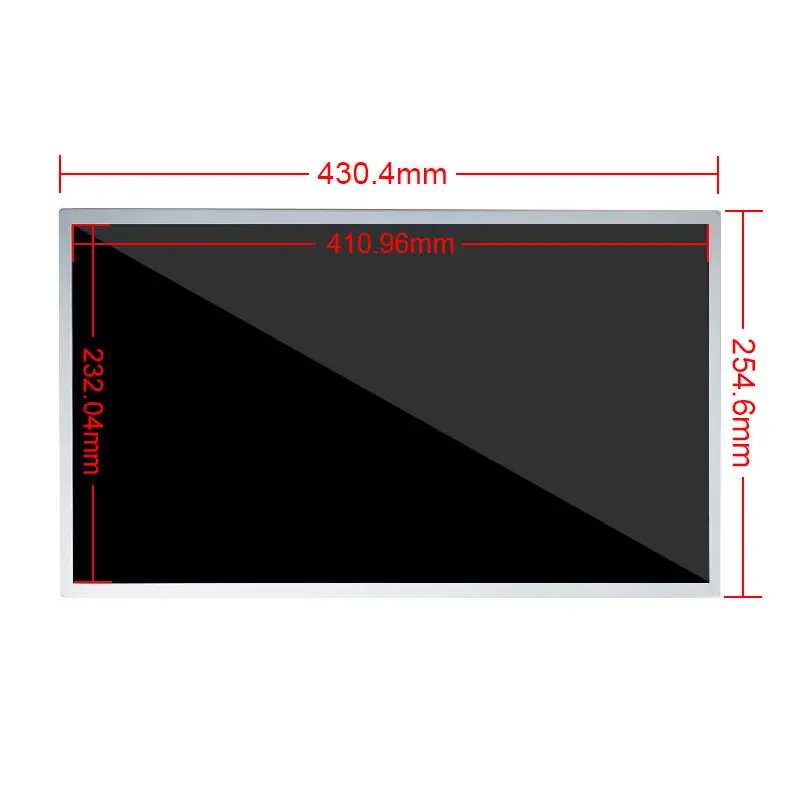
The module uses IPS viewing technology, a 30-pin two-channel 8-bit LVDS interface and an active image area of 408.96 × 230.04 mm. Touch is optional, allowing the same display platform to support non-touch information equipment or an engineered interactive version.
Key Specifications
| Parameter | Confirmed value |
|---|---|
| Display size | 18.5 inches |
| Resolution | 1920 × 1080 pixels |
| Panel technology | IPS TFT-LCD |
| Luminance | 1000 cd/m² |
| Contrast ratio | 1000:1 |
| Viewing-angle data | 89/89/89/89° raw sequence |
| Display colors | 16.7M colors |
| Pixel arrangement | RGB vertical stripe |
| Response time | 14 ms |
| Active area | 408.96 × 230.04 mm |
| Module outline | 430.4 × 254.6 × 12.35 mm |
| Native interface | 30-pin, two-channel, 8-bit LVDS |
| Backlight | LED |
| Touch | Optional |
1000 cd/m² Optical Performance
Bright-Ambient Use Boundary
The 1000 cd/m² luminance supports clearer presentation in brightly illuminated interiors, public-service areas and protected equipment installations. It is relevant when ordinary low-brightness panels lose contrast under overhead lighting or near glazed entrances.
A 1000 cd/m² panel improves bright-ambient visibility but does not by itself establish direct-sun readability.
The final result depends on the front lens, reflection level, printed masking, air gap or bonding method, installation angle and thermal design. A project exposed to direct sunlight needs an assembled-system optical test rather than a panel-only brightness assumption.
IPS Viewing and Response Performance
The IPS structure provides a raw 89/89/89/89° viewing-angle sequence. This supports public interfaces where users may approach from different positions, but the directional order should be verified before the values are assigned to left, right, up or down.
The 14 ms response value is suitable for menus, video, instructions and standard interactive content. It should not be presented as evidence of a specialist high-refresh or gaming configuration because the refresh rate is not confirmed.
Full HD LVDS Integration
The 1920 × 1080 native raster provides sufficient detail for multi-zone user interfaces, product information, operating instructions and media windows. Content should be produced at the native resolution to avoid scaling softness and distorted interface elements.
30-Pin Two-Channel LVDS Qualification
The native signal interface is a 30-pin, two-channel, 8-bit LVDS connection.
A matching 30-pin connector does not guarantee LVDS timing, mapping, voltage or pin compatibility.
Before applying power, verify:
- Native pixel timing
- Pixel clock and blanking
- Two-channel mapping
- Eight-bit color convention
- JEIDA or VESA format
- Complete pin assignment
- Connector pitch and orientation
- Ground and shielding arrangement
- Panel-enable controls
- Cable definition
The panel datasheet, controller specification and cable drawing should be reviewed together.
Panel and Backlight Power Boundaries
LVDS defines the image-data connection, not the complete electrical architecture. Panel-logic voltage, current, enable sequence, backlight voltage, backlight current, dimming method and maximum power remain project-confirmation items.
The LED backlight should be paired with a driver that meets the approved electrical limits. No backlight lifetime or electrical rating should be assumed from the display size or brightness alone.
Integrating the Industrial Kiosk Display Module
Controller-Board Functions
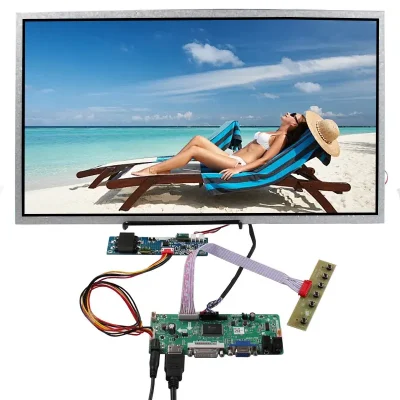
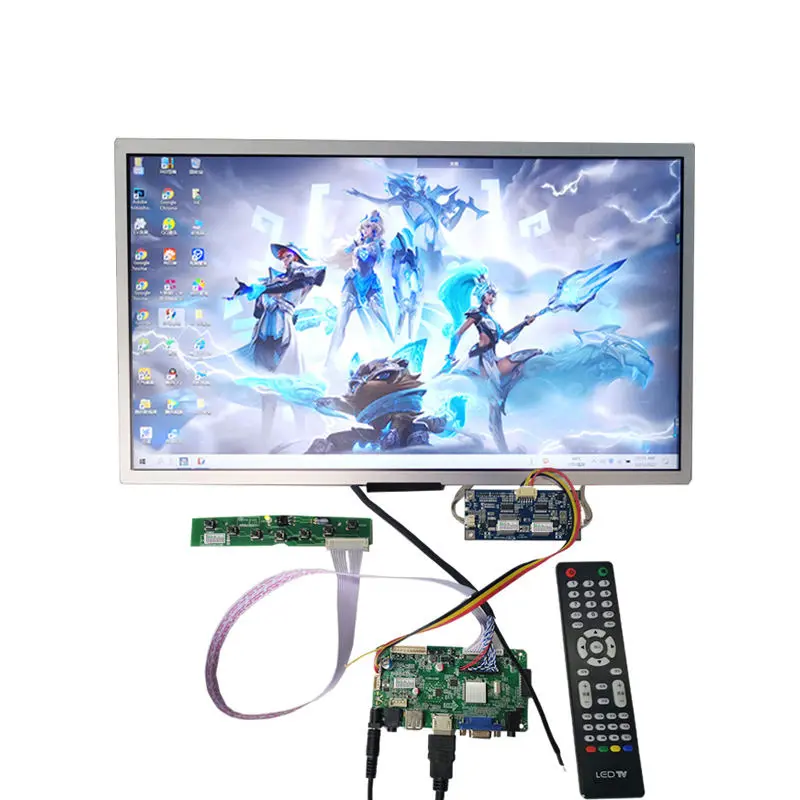
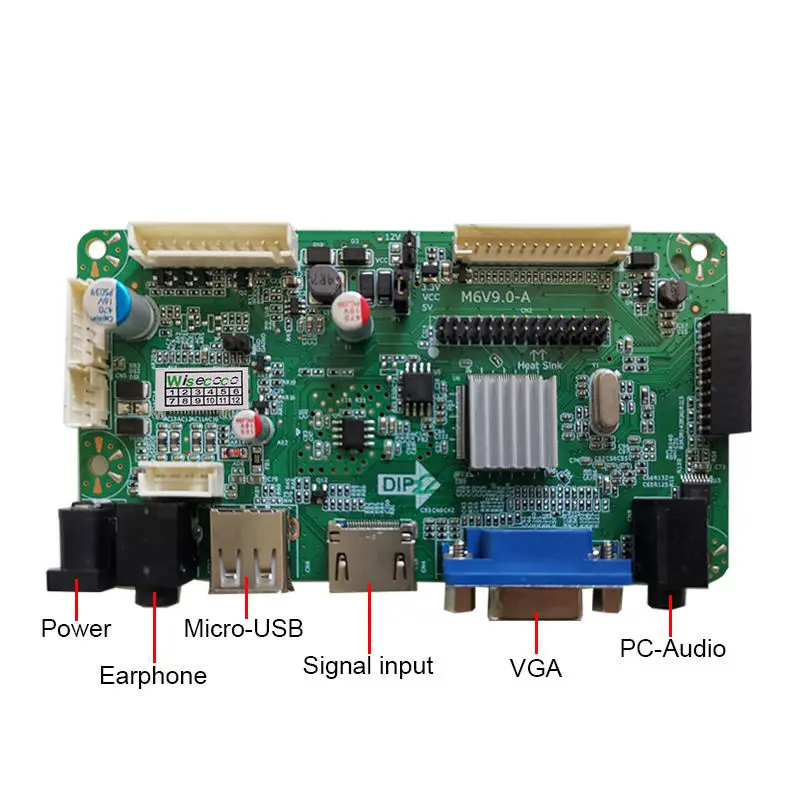
A controller-board route can convert external video into the module’s native LVDS signal. Depending on the selected board, the system may provide power, Micro-USB, video input, VGA and audio connections.
External VGA, Micro-USB and audio ports belong to the controller board rather than the native panel interface.
The quotation should identify:
- Controller-board model
- Supported input formats
- Native output timing
- Power adapter
- LVDS cable
- Keypad or remote
- Audio functions
- Firmware and OSD options
- Items included in the kit
A product image containing a controller board does not by itself define the standard accessory package.
Optional Touch Configuration
Touch is optional, so the standard module cannot be treated as a completed touchscreen without an approved touch stack.
An interactive version should define:
- Capacitive or resistive technology
- Touch interface
- Touch points
- Cover-lens thickness
- Surface treatment
- Air or optical bonding
- Touch-controller location
- Cable exit
- Operating-system support
- Glove or stylus requirements
The 408.96 × 230.04 mm active area and 430.4 × 254.6 mm outline provide the starting dimensions for touch-sensor and cover-lens development.
Mechanical and Enclosure Planning
The module outline is 430.4 × 254.6 × 12.35 mm. These dimensions should control the early enclosure study, but final tooling should use an approved mechanical drawing that also identifies mounting points, connector positions, tolerances and keep-out zones.
The active image area is smaller than the complete module, so the front opening must be designed around the visible area while leaving adequate support for the panel structure.
The enclosure review should cover:
- Front-opening dimensions
- Rear clearance
- Cable bend radius
- Controller-board location
- Ventilation
- Distributed mounting support
- Touch or cover-lens thickness
- Service access
- Protection against panel twisting
The 3.5 kg gross figure belongs to the packaged item and should not be used as the panel’s mechanical load.
Recommended Applications
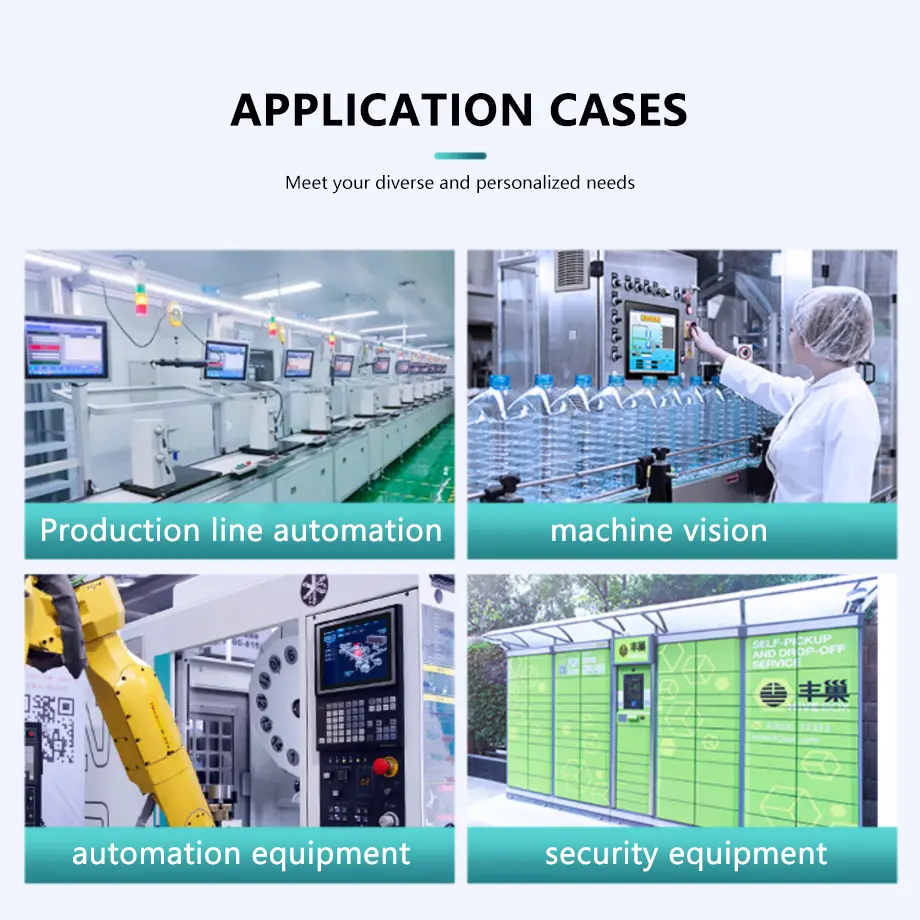
The Industrial Kiosk Display Module is suitable for:
- Self-service information terminals
- Indoor ticketing and registration kiosks
- Industrial operator interfaces
- Building-directory displays
- Queue and visitor-management terminals
- Indoor digital-signage equipment
- Protected public-information systems
- Interactive product-information terminals when touch is approved
Automotive, medical, waterproof, outdoor-direct-sun and other regulated uses require separate finished-system qualification.
Customization and Project Qualification
Project evaluation may cover optional touch, cover glass, bonding, optical treatment, LVDS cable matching, controller-board selection, enclosure adaptation, mounting and branding.
Logo, packaging and graphic customization are presented from 2,000 pieces. Engineering customization, sample quantities and standard-module orders are confirmed separately according to the requested configuration.
Procurement Checklist
Confirm the following before sample approval:
- Native 1920 × 1080 timing
- Two-channel, 8-bit LVDS mapping
- Complete 30-pin assignment
- Connector pitch and contact orientation
- Panel voltage and current
- Backlight voltage and current
- Dimming and enable controls
- Controller-board model
- Required external inputs
- Controller board, remote and cable inclusion
- 408.96 × 230.04 mm active area
- 430.4 × 254.6 × 12.35 mm outline
- Front-lens transmission and reflection
- Fixed 1000 cd/m² optical target
- Touch technology and interface
- Bonding method
- Operating-temperature unit and limits
- Storage-temperature requirement
- Compliance-document requirements
- Sample quantity
- Annual demand
- Production schedule
FAQ
About 18.5 Inch Industrial Kiosk Display Module
What must be checked before connecting a 30-pin LVDS controller?
Does 1000 cd/m² guarantee readability in direct sunlight?
How should the optional touch configuration be specified?
Are the controller board and external ports included?
Which mechanical dimensions control enclosure release?
What is your MOQ and sample policy for HS185F01A?
MOQ and sample policies for HS185F01A are typically negotiated based on project volume and customization needs. For standard configurations, we can often provide samples for evaluation, but MOQ may vary. Please contact our sales team with your estimated annual volume and any customization requirements to receive a tailored quote and sample availability. We aim to support prototyping and pilot runs to help you validate the display in your application.
Can you integrate touch controllers (resistive/capacitive) into custom display modules with specific firmware requirements?
Yes, the HS185F01A industrial kiosk display module supports optional capacitive touch, and we can integrate touch controllers with custom firmware to meet your specific requirements.
Can you customize the display driver board to match our existing system's LVDS or eDP interface?
Please provide your system's interface specifications, including pinout and signal timing, so our engineers can design a compatible solution. We'll work with you to ensure seamless integration and optimal performance.
What are the operating temperature ranges for your industrial control displays, especially for environments below -20°C or above 70°C?
The HS185F01A operates from 0°C to 50°C, with storage from -20°C to +60°C. For environments below -20°C or above 70°C, standard LCDs may not perform reliably. We can explore custom solutions, such as heaters for low-temperature operation or enhanced cooling for high-temperature environments, but these require engineering evaluation. Please share your specific temperature requirements and environmental conditions, and we'll advise on the best approach, which may include alternative panel options or thermal management.
Can you provide a custom LCD panel with specific dimensions and a round shape?
We can provide custom LCD panels with specific dimensions and shapes, including round designs, but this typically requires a custom tooling investment and minimum order quantities. For a round panel, the active area and resolution would need to be defined, and we would assess feasibility based on our manufacturing capabilities. Please provide your exact dimensions, shape, resolution, and other requirements, and our engineering team will evaluate the project and provide a detailed proposal, including development timeline and costs.
Freya Yang
+86 18318948097