Freya Yang
+86 18318948097
+852 62667476
55 Inch Ultra Brightness Video Wall LCD Panel for Control Rooms
Model P/N
Size
Resolution
Brightness
Viewing Angle
Connector Type
Operating Temp
Overall(mm)
huisoar
HS550DPY-SHP2
Brand
Panel Size (inch)
Model P/N
Resolution
Brightness (nits)
Viewing Angle
Contrast Ratio
Response Time
Overall (mm)
Active Area (mm)
Refresh Rate
Bezel Opening
Display Colors
Panel Type
Connector Type
Surface Treatment
Operating Temp
Touchscreen Type
Storage Temp
Work Mode
Pixel Format
Input Voltage (V)
Weight (g)
Designed For
55 Inch Ultra Brightness Video Wall LCD Panel for Control Rooms
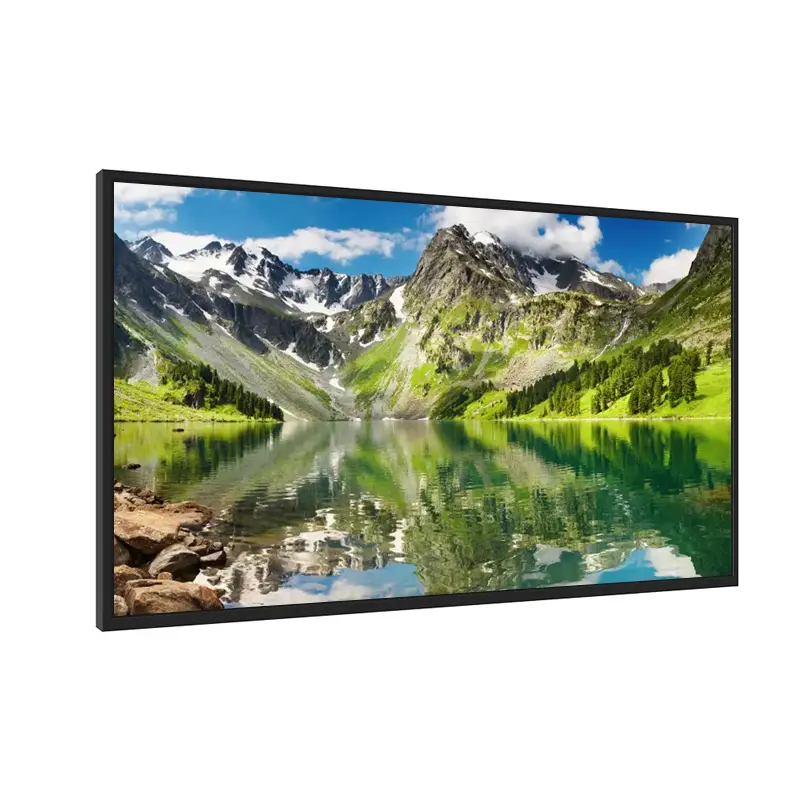
A 55-inch FHD sunlight-readable panel with dual-channel 51-pin LVDS, anti-glare haze 25%, and a 3.9 mm active-to-active seam for modular video walls.
Product Summary
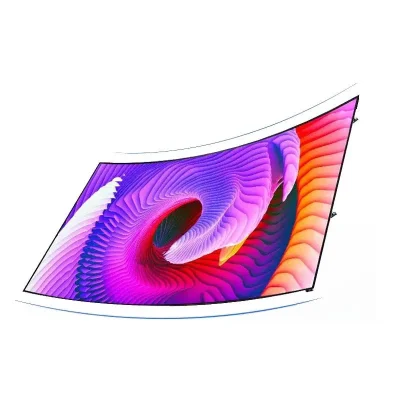
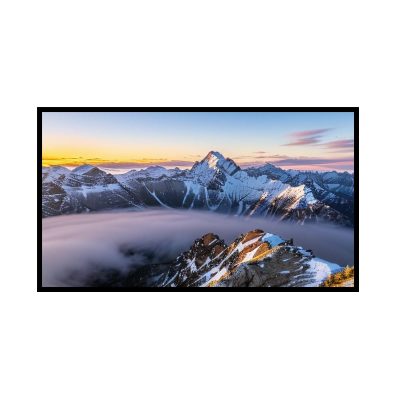
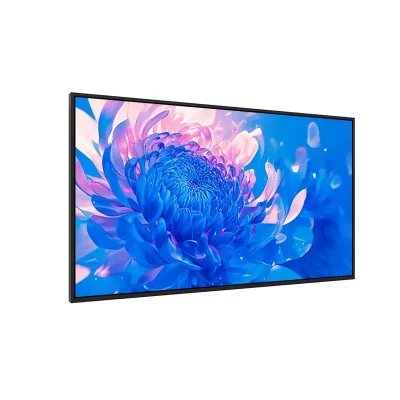
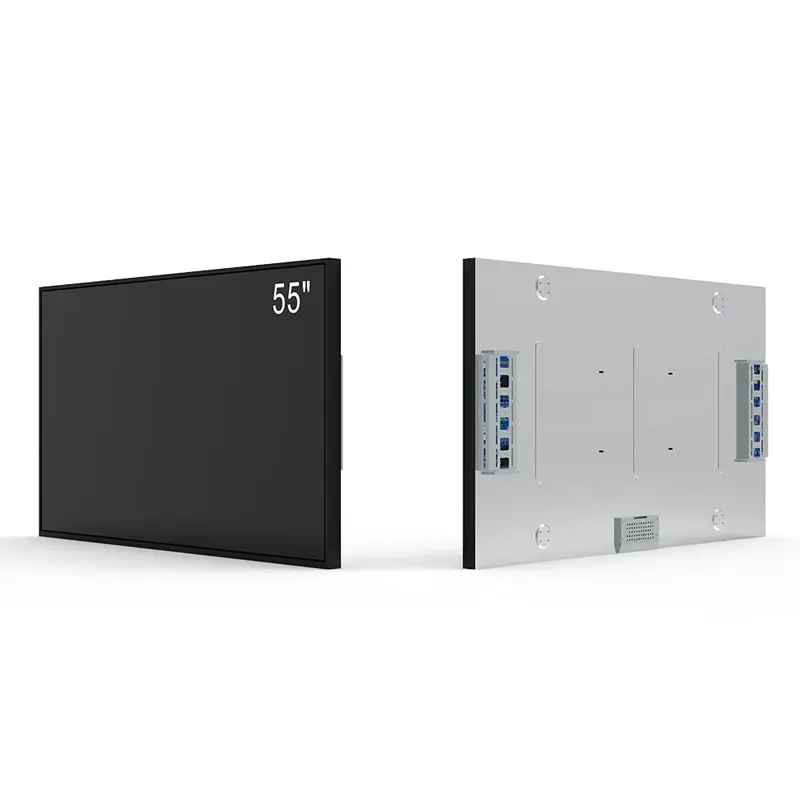
The Ultra Brightness Video Wall LCD Panel is a 55-inch a-Si TFT-LCD component designed for video-wall and splicing-display integration. It combines 1920 × 1080 FHD resolution, a 1209.6 × 680.4 mm active area, Super MVA normally-black transmissive operation, 16.7M colors, and a 500–5000 nits configurable luminance range. For buyers searching for an ultra brightness sunlight readable LCD panel, the key engineering value is the combination of high-ambient-light capability, 3.9 mm active-to-active splicing geometry, 51-pin LVDS, and −20°C to +70°C operation.
Key Specifications at a Glance
| Specification | Confirmed Value |
|---|---|
| Screen size | 55 inches |
| Resolution | 1920 × 1080 pixels, FHD, 40 PPI |
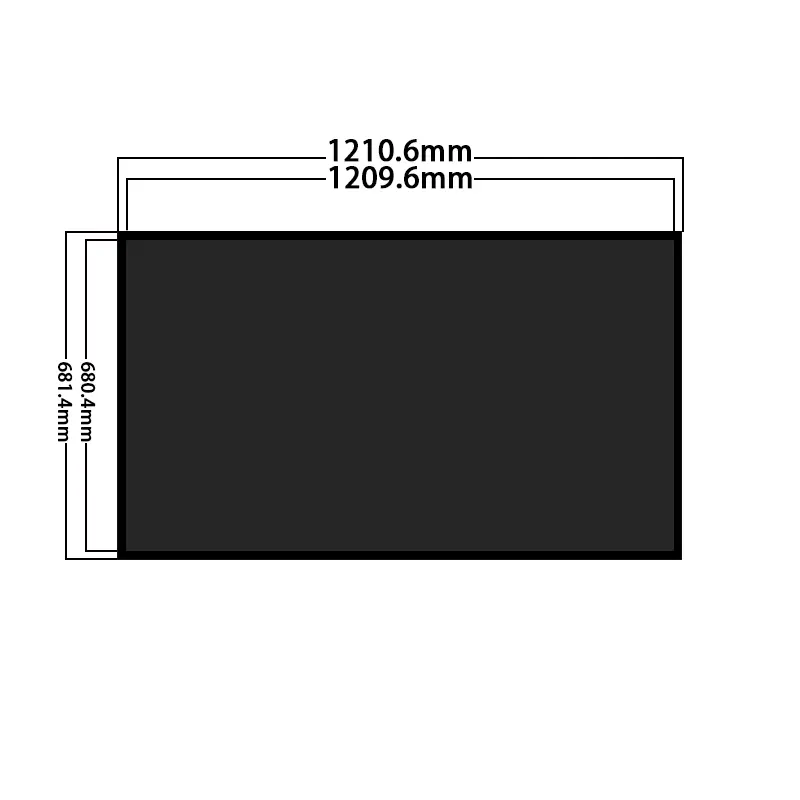
| Active area | 1209.6 × 680.4 mm |
| Viewing area | 1210.6 × 681.4 mm |
| Pixel arrangement | RGB vertical stripe |
| Surface treatment | Anti-glare, haze 25% |
| Luminance | 500–5000 nits configurable range |
| Contrast ratio | 5000:1 typical |
| Viewing angle | 89°/89°/89°/89° typical at CR ≥10; direction order not specified |
| Display mode | Super MVA, normally black, transmissive |
| Color | 16.7M colors, 74% NTSC |
| Response time | 9.5 ms typical, G-to-G |
| Standard refresh | 60 Hz |
| Backlight | WLED with LED driver; listed up to 50,000 hours |
| Interface | LVDS, 2-channel, 8-bit, 51-pin terminal |
| Panel input | 12.0 V typical |
| Touch | No touch |
| Splicing gap | 3.9 mm active-to-active |
| Operating temperature | −20°C to +70°C |
| Storage temperature | −30°C to +80°C |
Optical and Splicing Performance for Large Video Walls
Lock the Ordered Luminance Before Qualification
The product family is specified across a 500–5000 nits configurable luminance range, so the ordered brightness grade must be locked before optical acceptance testing. A control-room installation, a bright lobby, and a window-adjacent information wall can require very different luminance targets even when the same 55-inch FHD panel architecture is used.
High luminance alone does not determine final sunlight readability. The panel already has an anti-glare surface with 25% haze, but any added cover glass, air gap, optical bonding, enclosure opening, or site reflection can change effective contrast. Validate the completed optical stack under the actual ambient-light condition rather than approving only the panel-level nit value.
3.9 mm Active-to-Active Seam for Splicing Layouts
The 3.9 mm active-to-active seam is a project-critical dimension for multi-panel wall planning. It determines the visible interruption between adjacent image areas and should be included in bezel compensation, content layout, mounting tolerance, and service-replacement planning.
The 1209.6 × 680.4 mm active area and 1210.6 × 681.4 mm viewing area are different measurements. Use the correct dimension for image mapping and mechanical opening decisions instead of treating them as interchangeable.
Integrating the Ultra Brightness Video Wall LCD Panel
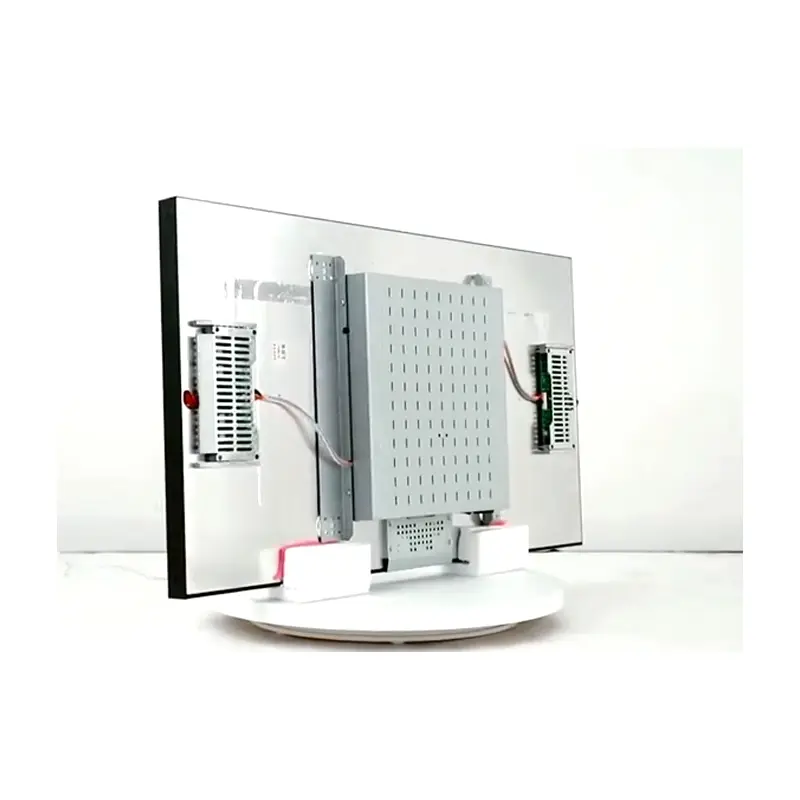
51-Pin Dual-Channel LVDS Host Qualification
The signal interface is 51-pin LVDS with two channels and confirmed 8-bit transmission. This gives controller-board teams a defined starting point, but a connector count does not establish interchangeability.
A 51-pin LVDS match does not guarantee timing, pin assignment, mapping, connector orientation, or power compatibility. Before releasing a controller, verify the complete pinout, FHD timing, LVDS mapping, cable construction, connector orientation, and the 12.0 V typical panel input against the approved production revision.
Standard 60 Hz and Configuration-Dependent Motion Modes
The standard frequency is 60 Hz. The technical configuration also references 120 Hz with 60 Hz input using built-in MEMC, a 120 Hz panel plus 120 Hz backlight route, and 240 Hz with 60 Hz input using MEMC.
The 120 Hz and 240 Hz entries should not be interpreted as universal native refresh rates for every supplied configuration. If motion processing is required, specify the exact panel and backlight mode, controller path, input frequency, and acceptance test before ordering.
Mechanical and Environmental Integration
Panel-Level Component Boundaries
This product is an LCD panel/LCM rather than a finished signage monitor. Overall enclosure dimensions, finished-system mounting, cabinet material, protective glass, environmental sealing, media player, and system power are therefore project-level decisions rather than standard panel specifications.
The no-touch configuration also matters for system architecture. If touch is required, the sensor, controller, cover lens, optical stack, cable path, and mechanical tolerances need separate qualification.
Wide-Temperature Operation
The confirmed operating range is −20°C to +70°C, with storage from −30°C to +80°C. These values support integration planning for installations with higher thermal variation than a conventional office environment.
A wide operating-temperature range does not establish an IP rating or exposed-weather suitability. Outdoor cabinets still require project-specific sealing, drainage, corrosion, condensation, solar-load, and thermal-management validation.
Recommended Video Wall Applications
The Ultra Brightness Video Wall LCD Panel is relevant to control-room video walls, command centers, security monitoring walls, retail and digital-signage walls, broadcast studios, transportation information displays, corporate lobbies, and exhibition halls where the FHD format and 3.9 mm splicing geometry fit the system design.
For high-ambient-light projects, the ordered luminance should be selected together with the front optical stack and thermal design. For mission-critical video walls, spare-panel strategy, color matching, seam alignment, controller mapping, and service access should also be included in system qualification.
Procurement Checklist
Before releasing an Ultra Brightness Video Wall LCD Panel order, confirm the exact luminance grade within the 500–5000 nits range, 1920 × 1080 timing, 51-pin LVDS pinout and mapping, 12.0 V panel input, 3.9 mm active-to-active seam, active and viewing-area dimensions, 60 Hz standard mode, any requested MEMC/120 Hz/240 Hz configuration, no-touch status, −20°C to +70°C operating range, front optical stack, enclosure conditions, sample quantity, and annual demand.
FAQ
About 55 Inch Ultra Brightness Video Wall LCD Panel
What must be checked before connecting a 51-pin LVDS controller?
How should the brightness grade be specified when the family spans 500–5000 nits?
How does the 3.9 mm splicing gap affect a video wall design?
Do the 120 Hz and 240 Hz options mean the standard panel is natively 240 Hz?
What should be validated before using the panel in a sunlight-facing enclosure?
Freya Yang
+86 18318948097