~
~
~
~
~
~
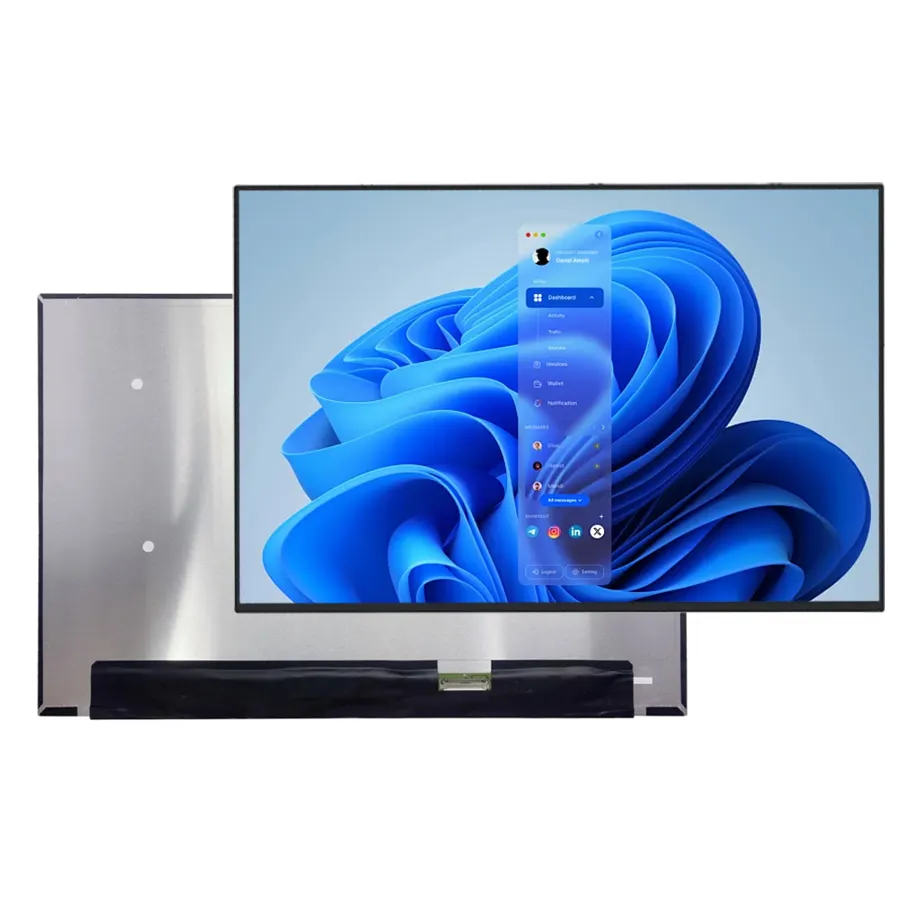
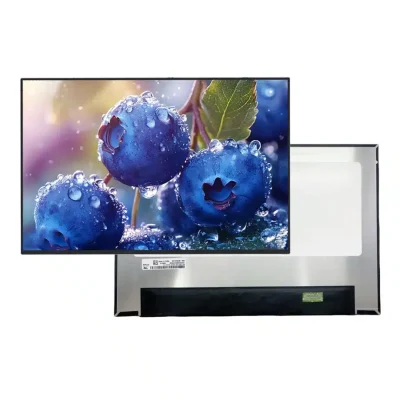
LP133WU1-SPK1 IPS WLED-Driver Laptop Screen LG Display
Model P/N
Size
Resolution
Brightness
Viewing Angle
Connector Type
Operating Temp
Overall(mm)
lg-display
LP133WU1-SPK1
Brand
Panel Size (inch)
Model P/N
Resolution
Brightness (nits)
Viewing Angle
Contrast Ratio
Response Time
Overall (mm)
Active Area (mm)
Refresh Rate
Display Colors
Panel Type
Connector Type
Operating Temp
Touchscreen Type
Storage Temp
Work Mode
Pixel Format
Designed For
Product Details
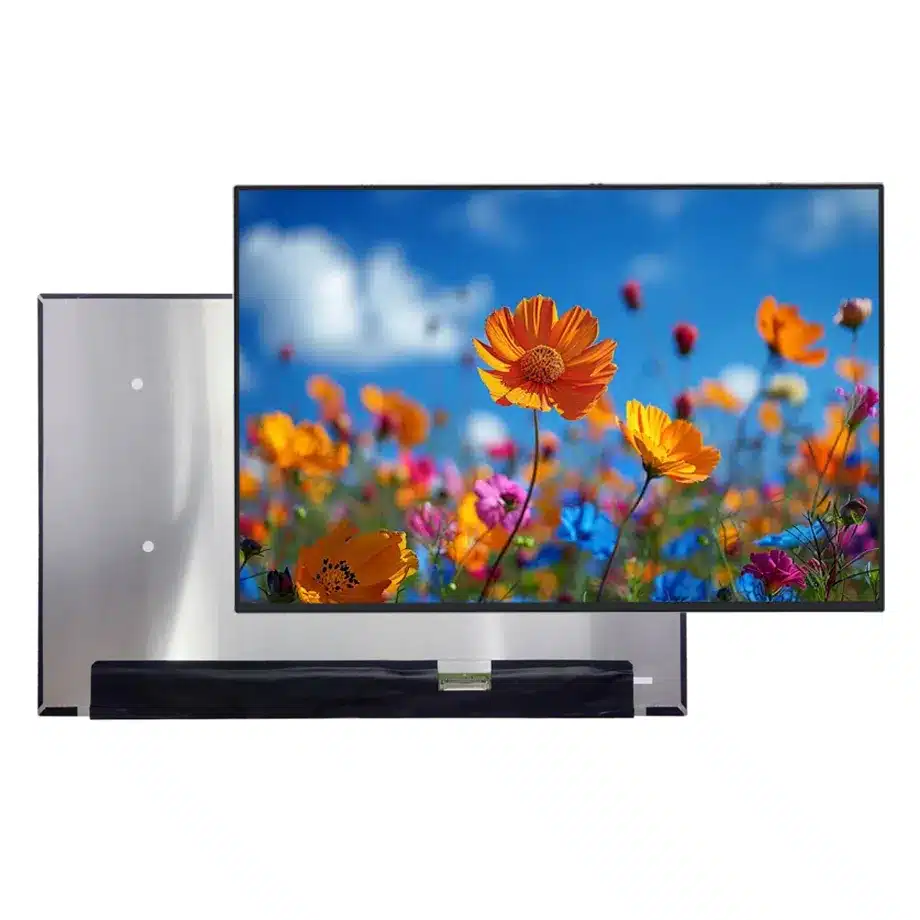
LP133WU1-SPK1 IPS WLED-Driver Laptop Screen is a 13.3-inch LG Display a-Si TFT-LCD module for laptop integration. The exact-model record establishes 1920×1200 WUXGA resolution in a 16:10 format, a 286.042 × 178.776 mm active area, IPS normally-black transmissive operation, 1000:1 typical contrast, 85/85/85/85 viewing angles, 16.7 million colors and 60 Hz refresh. The module uses eDP through a 30-pin 0.5 mm connector and includes a WLED backlight with LED driver. Several mechanical and optical values—including full outline dimensions, mass, surface finish, luminance, response time and supply voltage—are not confirmed in the current exact-model evidence and therefore remain blank rather than being copied from related LP133WU1 variants.
Evidence-first handling of a sparse exact-model record
LP133WU1 is a broad LG Display family with multiple suffixes that differ in brightness, contrast, mechanics and composition. The SPK1 suffix is therefore part of the product identity, not a minor formatting detail. Family tables confirm SPK1 as a 13.3-inch 1920×1200 LCM with 1000:1 contrast, 16.7M colors and eDP, but values from SPF1, SPH1, SPM1 or other suffixes must not be transferred to this model.
The documented application is Laptop. That supports notebook display integration and replacement evaluation when the target machine matches the exact 30-pin eDP path and panel mechanics. Because full outline dimensions are unresolved, enclosure and replacement fit should be confirmed from the exact drawing or an approved physical sample before the lid design is frozen.
Three Core Buyer Value Propositions
1. 16:10 WUXGA provides more vertical workspace in a compact 13.3-inch format
The native 1920×1200 image adds vertical pixels compared with standard 1920×1080 while remaining practical for compact notebooks. This makes the panel suitable for productivity-oriented laptop concepts where document space matters. The exact active area is 286.042 × 178.776 mm, providing a confirmed visible-image reference even though the complete outer dimensions are not available in the current record.
2. 30-pin eDP narrows the notebook interface requirement
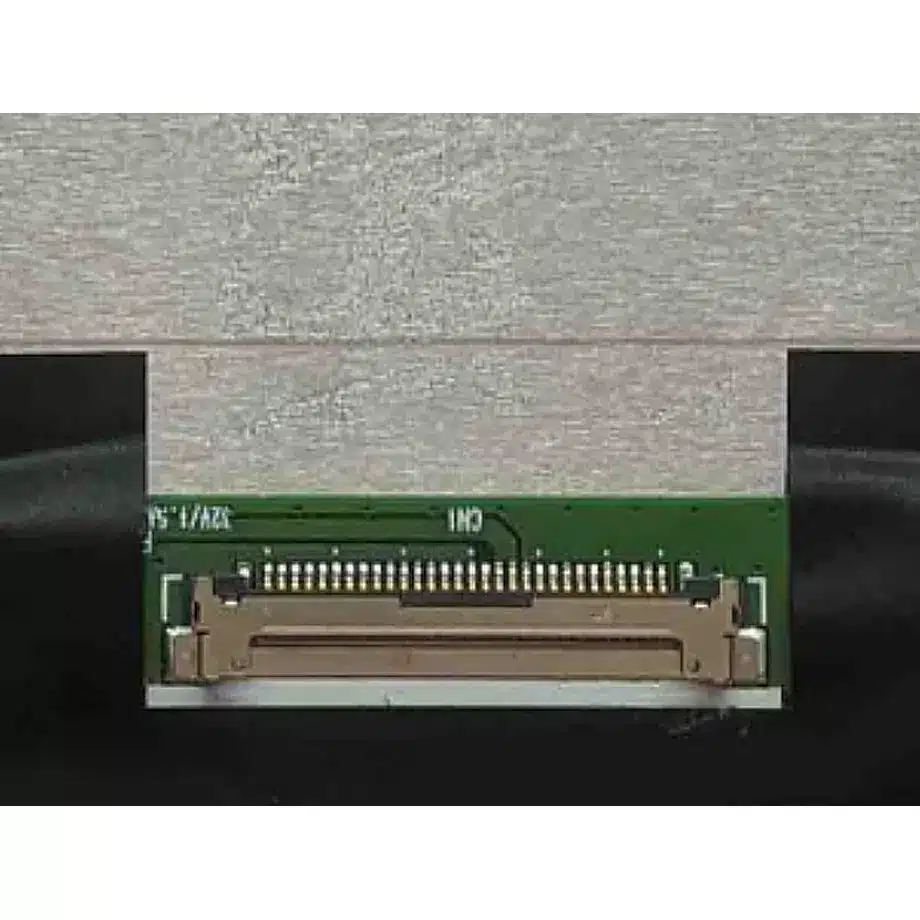
The module is documented with eDP through a 30-pin 0.5 mm connector. That gives procurement and system designers a concrete electrical screening criterion. The source does not state lane count, eDP revision, exact voltage or connector position, so those details should be obtained from the exact LG Display specification before cable or motherboard release.
3. Integrated WLED driver simplifies panel-side lighting control
The backlight is WLED with an LED driver, which means the module includes panel-side LED driving rather than requiring a completely external raw-string driver. Host brightness control, enable signals and power sequencing still need exact documentation. No backlight-life number is confirmed in the source, so the production field remains blank.
Key Specifications at a Glance
| Specification | LP133WU1-SPK1 value |
|---|---|
| Display size | 13.3 inch |
| Panel type | a-Si TFT-LCD, LCM |
| Resolution | 1920×1200 WUXGA, 16:10 |
| Active area | 286.042 × 178.776 mm |
| Contrast | 1000:1 typical |
| Viewing angle | 85/85/85/85 typical at CR≥10 |
| Colors | 16.7M |
| Refresh rate | 60 Hz |
| Interface | eDP, 30-pin 0.5 mm connector |
| Backlight | WLED, with LED driver |
| Operating / storage | 0 to 50°C / -20 to 60°C |
| Unresolved fields | Brightness, full outline, thickness, weight, response, surface finish and supply voltage |
Do not fill exact-model gaps from family variants
The LP133WU1 family contains models with different brightness levels, contrast ratios, composition and suffix-specific features. A related panel can be useful for understanding the family naming pattern, but it cannot safely supply SPK1 values. This page deliberately leaves unresolved objective fields blank after exact-model research rather than importing numbers from SPD, SPF, SPH or SPM variants.
LP133WU1-SPK1 IPS WLED-Driver Laptop Screen should therefore be qualified with the exact LG Display specification or a validated sample. If a distributor lists a replacement based on a family-level cross-reference, engineering should compare the actual label and connector before accepting it as equivalent.
eDP bring-up and missing electrical detail
The source confirms eDP and a 30-pin 0.5 mm connector but does not specify lane count, link rate, revision or supply voltage. Those missing details matter to motherboard and cable compatibility. Obtain the exact pinout and power-sequence documentation before electrical design release. A 30-pin eDP connector is a screening clue, not proof that two panels share the same link configuration.
Bring-up testing should include cold boot, repeated restart, suspend/resume, brightness control and display disable/enable behavior. If a candidate panel powers on only under a fallback mode, the system is not fully qualified until native 1920×1200 operation and power-state behavior are stable.
Optical performance boundaries
The current exact-model data confirms 1000:1 typical contrast and 85/85/85/85 typical viewing angles, but it does not establish panel luminance or surface treatment. Those fields remain blank. Public copy should not infer a 250-, 300- or 400-nit value from another LP133WU1 suffix, even though such values exist elsewhere in the family.
Color is specified as 16.7 million colors, with no exact gamut percentage confirmed. If the notebook requires a color target or calibrated workflow, measure the exact SPK1 panel after the full graphics and backlight system is configured.
Mechanical fit requires an exact drawing or approved sample
The active image area is known, but full outline width, height and thickness are not present in the current exact-model source. This prevents a safe claim about lid fit based solely on family appearance. Obtain the exact mechanical drawing or compare an approved sample before tooling, adhesive selection or service replacement.
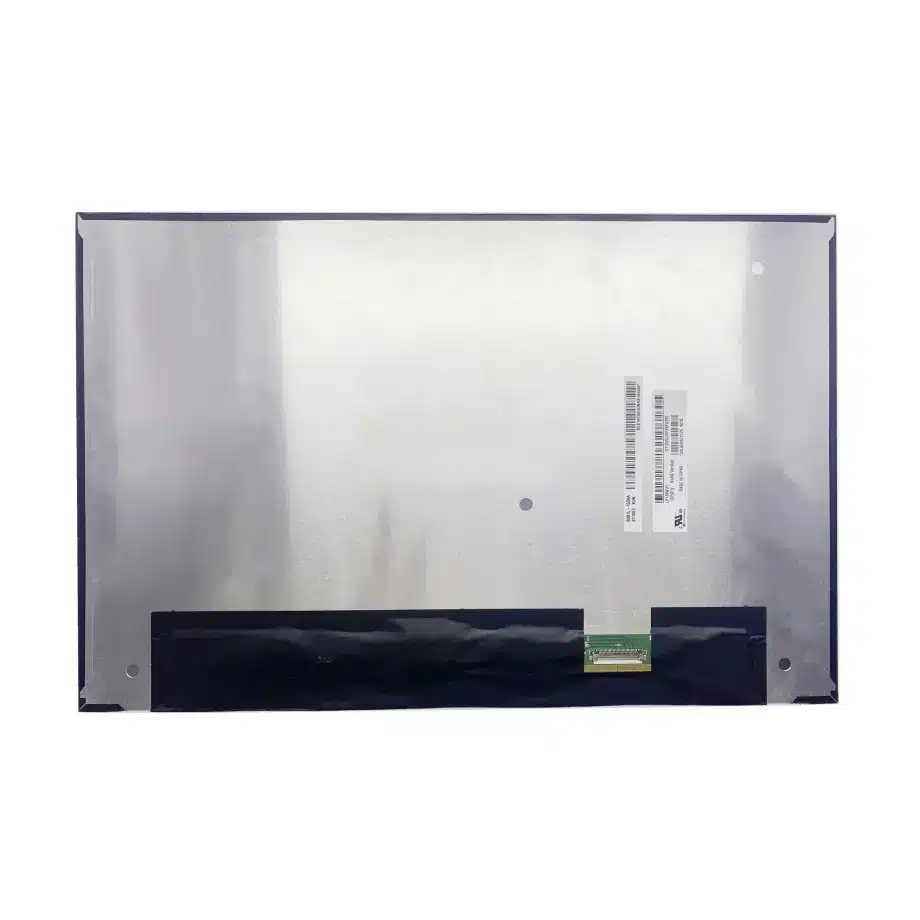
Connector location, rear PCB shape, cable bend and bezel overlap can determine whether a panel fits even when diagonal and active area are similar. The evidence boundary is especially important in thin 13.3-inch notebooks where small geometry differences can interfere with antennas, webcam structures or rear covers.
Temperature limits and system context
The exact model is specified for 0 to 50°C operation and -20 to 60°C storage. These are conventional notebook-component limits rather than industrial or automotive qualifications. The system team should still confirm local panel temperature under charging, processor load and lid-closed sleep scenarios relevant to the notebook design.
Storage limits should not be mistaken for powered operation. If the product has cold-start or hot-operation requirements near the specified boundaries, validate the exact panel under those conditions.
Application fit: laptop integration and replacement
Laptop is the documented application. That supports compact notebook design and replacement qualification where 13.3-inch WUXGA, IPS architecture and 30-pin eDP align with the target system. The evidence does not identify a specific laptop brand or model, so public copy should not imply exact fit to named machines.
A service replacement should compare the original panel label, cable, connector and mechanical geometry. When an exact drawing is unavailable, an approved physical sample is a safer basis than a family-level seller compatibility list.
Procurement and incoming inspection
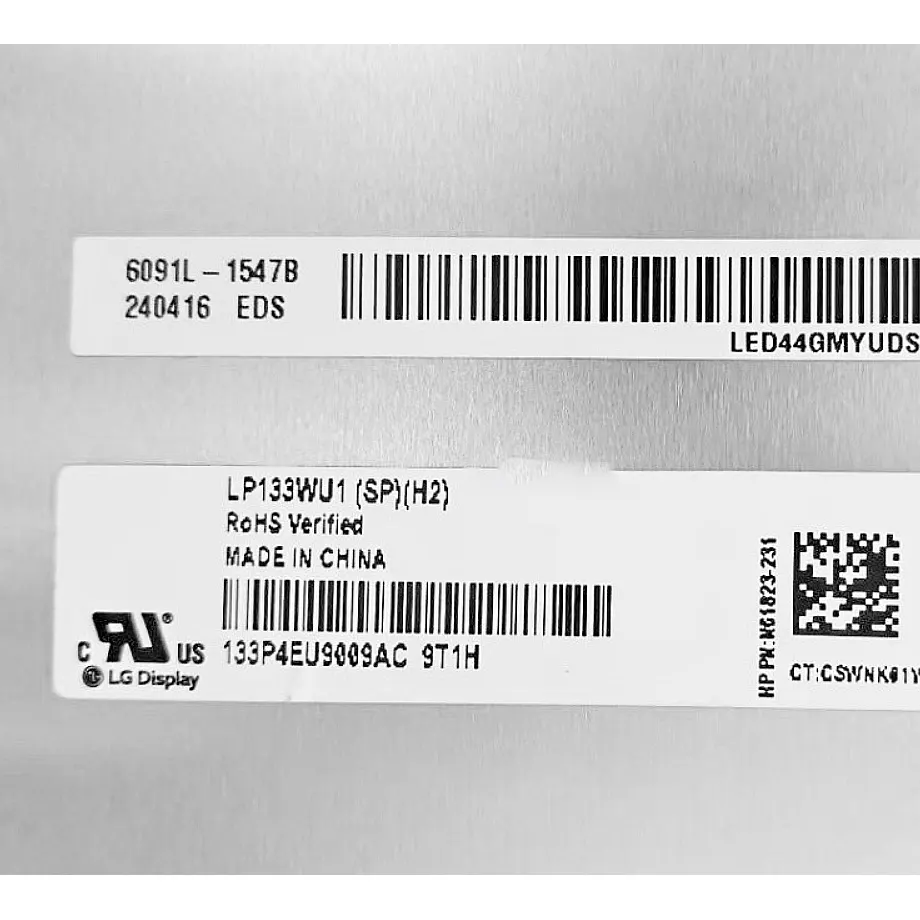
Confirm LP133WU1-SPK1 on the incoming label and avoid accepting another LP133WU1 suffix as the same product. Check the 30-pin connector and visible rear layout against the qualified sample. Maintain the approved panel identity with the cable and system firmware record so future substitutions trigger controlled review.
LP133WU1-SPK1 IPS WLED-Driver Laptop Screen should enter volume sourcing only after the target notebook demonstrates stable native image output, brightness control, power-state recovery and mechanical fit. Commercial availability, MOQ, price and lifecycle should be confirmed at purchase time rather than inferred from family-level listings.
What a safe first-article approval should capture
For the first approved SPK1 sample, record front and rear label photographs, the 30-pin connector location, active image geometry, cable part number, native timing detection and sleep/wake behavior. If the notebook platform exposes panel identification data, archive that result with the sample as well. Because several objective fields remain unresolved, the approved physical sample becomes an important evidence artifact for future receiving inspection. Later lots should be compared to that reference rather than to another LP133WU1 suffix, especially if a supplier changes source or proposes an alternate panel.
Integration questions that remain open until the exact datasheet is obtained
Engineering still needs the exact SPK1 supply voltage, eDP lane/link definition, full mechanical outline, connector position tolerances, brightness target, surface finish and response specification before a clean-sheet notebook design can be frozen. A service replacement may be validated empirically with the original machine, but a new motherboard or lid design should not be released around assumptions from a family table. Keeping these open items explicit prevents family-level data from being mistaken for exact-model evidence.
Why the unresolved fields matter to sourcing
Missing exact-model brightness, thickness and voltage values are not merely documentation gaps; each can affect interchangeability. A brighter family variant may use a different backlight load, a thicker module may not fit the lid, and a different supply requirement can create electrical risk. Leaving these fields blank until supported is therefore a procurement control, not a content omission. Exact-model evidence should be requested before any new-design commitment.
Engineering summary
LP133WU1-SPK1 IPS WLED-Driver Laptop Screen is a 13.3-inch 1920×1200 IPS laptop module with 1000:1 typical contrast, 60 Hz refresh, 30-pin eDP and an integrated WLED driver. Its most important engineering characteristic in this workflow is the evidence boundary: brightness, full outline, mass, response, surface and supply remain unresolved for SPK1 and are intentionally left blank until exact-model documentation supports them.
Recommended: Same Size
(13.3")
Applications & Value of LCD Panel

- Fast sourcing with in-stock panels & cross-reference alternatives
- Stable supply chain with long-term availability
- Engineering-level support from panel to integration
- Custom solutions: cable, touch & optical bonding
- Strict quality control with IQC / OQC / aging test
- Full traceability system for quality assurance
- Complete technical documentation & drawings
- Compliance support: RoHS & certification files