
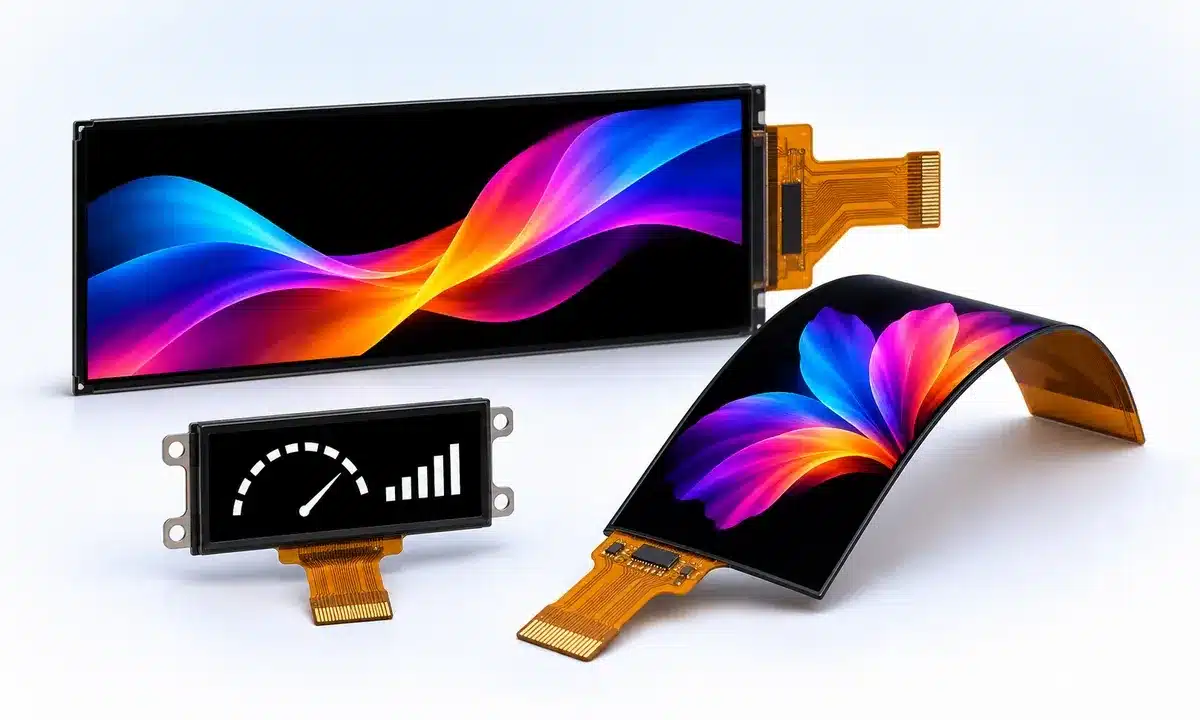
Custom OLED Screens

OLED and AMOLED modules for compact, thin and high-contrast equipment interfaces. Match technology, drive interface, image duty cycle and mechanical constraints to the intended device rather than selecting by appearance alone.
Custom OLED Screens product family concept illustration

OLED architecture

Choose an OLED architecture suited to the design.

Interface and supply rails

Review the interface, drive electronics and supply rails.

Image duty and ageing

Consider static content and the intended image duty.

Mechanical integration

Coordinate thickness, mounting and flexible-tail routing.

Custom OLED Screens product family concept illustration

Category Overview

OLED projects require a clear distinction between passive-matrix and active-matrix modules and between rigid and flexible structures. Drive electronics, supply rails, initialization and supported image behavior depend on the exact module. Static content, luminance and operating duty cycle should be considered when evaluating ageing and image-retention risks. HuiSoar reviews module and integration options against the required host, optical and mechanical configuration. Confirm any flexibility, environmental and availability claims for the proposed product.

Custom OLED Screens Product Selection

Filter by Specifications
Sort by:
31 Products Found
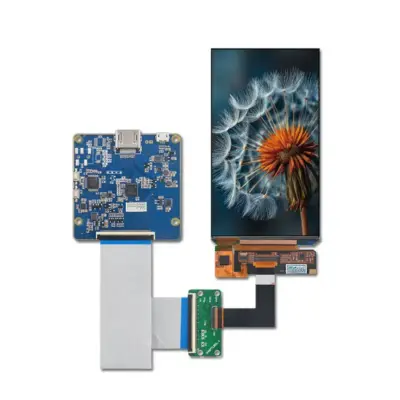
huisoar HS050OLED-1 5.0-inch 720×1280 oled Without Touch display

5 Inch MIPI Driver Board AMOLED Display for Handheld Devices
Size:5.0″
Resolution:720×1280
Brightness:275 cd/m²
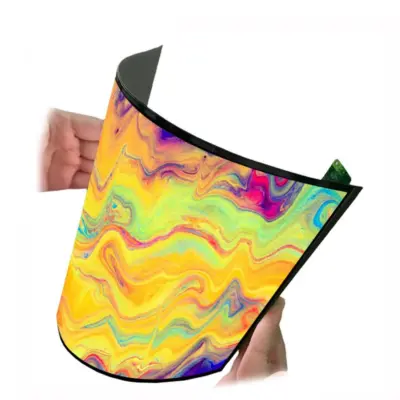
huisoar HS133X01S 13.3-inch 2048×1536 oled PCAP touch display

13.3 Inch Flexible AMOLED Screen Display Panel Assembly for OEM Design
Size:13.3″
Resolution:2048×1536
Brightness:300 cd/m²
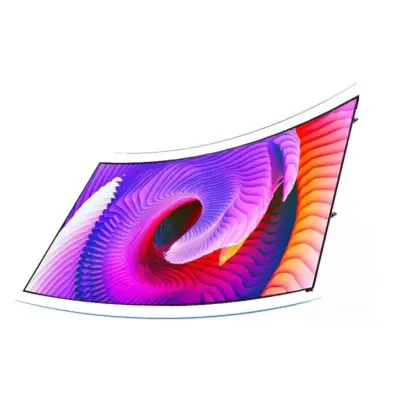
huisoar HS550UHD-OLED 55-inch 3840×2160 oled Not-Touch display

55 Inch Advertising Flexible OLED Display for Curved Signage Projects
Size:55″
Resolution:3840×2160
Brightness:450 cd/m²
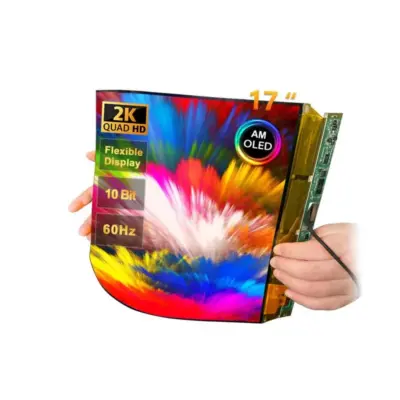
huisoar HS17002S 17-inch 2040×2560 oled Without Touch display

17 Inch Flexible OLED Display for 2K eDP Integration in Smart Devices

Size:17″
Resolution:2040×2560
Brightness:300 cd/m²

5.1 Inch Flexible AMOLED Touch Screen for HMD Devices
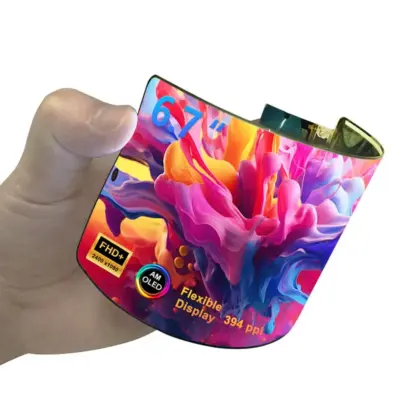
Size:5.1″
Resolution:720×1520
Brightness:390 cd/m²
huisoar HS0667OLED 6.67-inch 2400×1080 oled Without Touch display

6.67 Inch Bendable Rollable OLED Screen Module for Prototypes
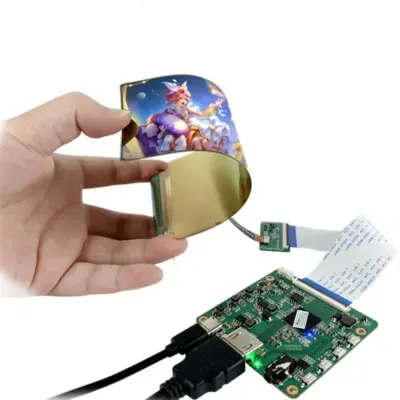
Size:6.67″
Resolution:2400×1080
Brightness:500 cd/m²
huisoar HS060S02K 6-inch 2880×1440 oled not-touch display

6 Inch Flexible OLED Display Smart Device Module for Wearables
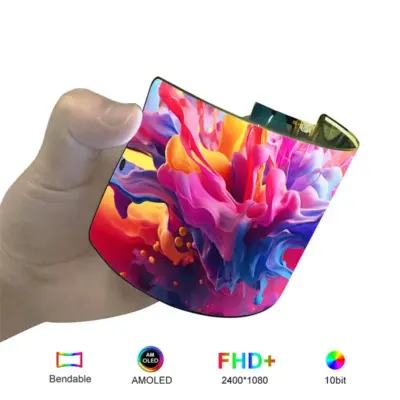
Size:6″
Resolution:2880×1440
Brightness:600 cd/m²
huisoar HS06.67OLED 6.77-inch 1080×2400 oled Without Touch display

6.67 Inch Custom Flexible AMOLED Bendable OLED Display for Prototypes
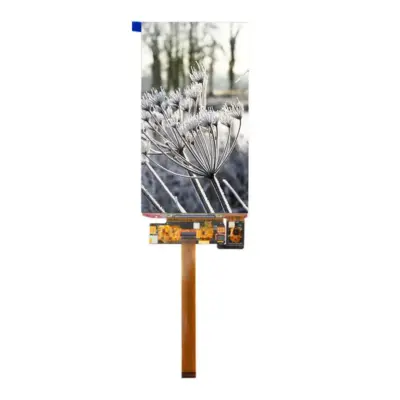
Size:6.77″
Resolution:1080×2400
Brightness:500 cd/m²
huisoar HS070P4001-01 7.0-inch 1080×1920 oled On-cell touch function display

7 Inch OLED AMOLED Industrial Module for HMI Panels
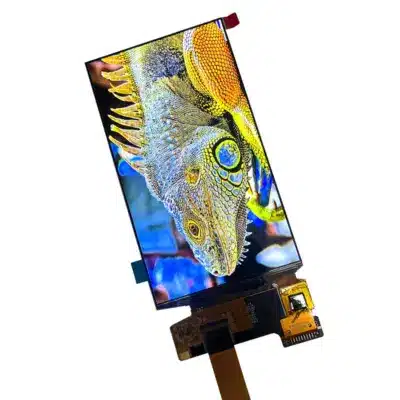
Size:7.0″
Resolution:1080×1920
Brightness:800 cd/m²
huisoar HS055FD10A-V1 5.5-inch 1920×1080 oled Not-touch display

5.5 Inch Embedded FHD AMOLED Display Module for Handhelds

Size:5.5″
Resolution:1920×1080
Brightness:200 cd/m²

Technical Selection Guide

Use these four checks to compare custom oled screens for your equipment. Freeze the required configuration and verify the exact drawing, electrical specification and sample behavior before approving production.

OLED architecture

Identify PMOLED, AMOLED or another specified architecture. Match native resolution, image complexity and update needs to the controller and host resources.

Interface and supply rails

Verify interface timing, logic levels, initialization and power sequencing. Do not assume a familiar connector establishes compatibility with the host.

Image duty and ageing

Define static graphics, luminance levels and operating schedule. Review ageing considerations and suitable content-management measures for the selected module.

Mechanical integration

Distinguish rigid glass from qualified flexible construction. Specify bend limits, support, cable routing, cover lens and touch requirements for the actual design.

Typical Applications
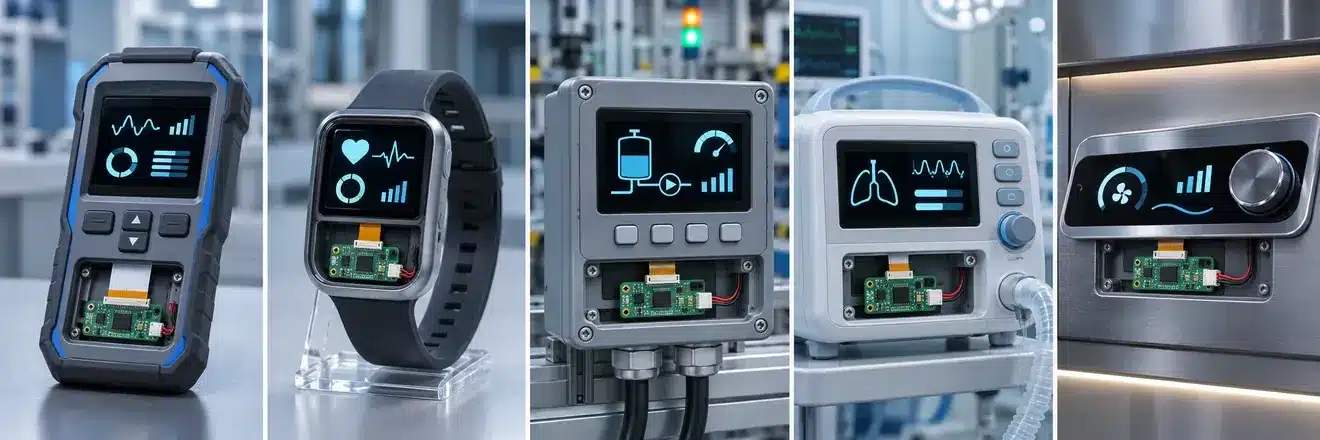
Custom OLED Screens typical OEM application scenarios

Handheld devices

Compact high-contrast interfaces in portable products.

Wearable equipment

Small modules selected for the device envelope.

Industrial instruments

Status and graphical interfaces with defined duty cycles.

Medical instruments

Display projects reviewed for the intended equipment use.

Premium controls

Thin graphical interfaces integrated into custom housings.

Custom OLED Screens FAQ

What is the difference between PMOLED and AMOLED?
They use different pixel-driving architectures and module implementations. Match resolution, graphics complexity, update requirements, controller support and power arrangement to the device. Do not assume they share the same host interface or integration behavior.
Do OLED modules need an LCD backlight?
OLED pixels are self-emissive, so an OLED module does not use a conventional LCD backlight to form its image. The complete module still requires suitable drive electronics, power rails and control sequences.
Can OLED image retention or ageing be ignored?
No. Evaluate static-image exposure, luminance, temperature and duty cycle for the selected module. Discuss suitable content policies and mitigation with the design team. Avoid assuming that a category-level lifetime statement applies to every usage pattern.
Can any OLED panel be bent?
No. Rigid and flexible OLED constructions have different mechanical limits. Confirm the approved bend radius, bend direction, support and allowed number of flex cycles for the specific product. A thin panel is not automatically designed for bending.
Can touch and cover glass be integrated?
Integration depends on the module and required sensor, controller and mechanical stack. Provide touch behavior, cover-lens dimensions and optical requirements. Evaluate the full assembly with the intended host rather than the OLED panel alone.
Are OLED and LCD modules interchangeable at the same size?
Not necessarily. Compare mechanical outline, visible area, interface, pin assignment, power rails, initialization and host firmware. Different display technologies can impose substantially different electrical and software requirements.
How should an OLED display be evaluated for bright environments?
Review luminance, surface reflections, duty cycle and thermal behavior for the exact module. Validate readability in the intended lighting. High contrast in a dark room does not establish sunlight suitability or sustained outdoor operation.
What information helps select an OLED interface?
Provide the host processor, supported display outputs, desired resolution, image update behavior and available power rails. Confirm initialization and software responsibilities. A mechanically compatible FPC connector is only one part of the interface review.
What information should I include in an RFQ?
For custom oled screens, provide OLED architecture, active area, resolution, host interface, static-image duty cycle, luminance needs, mechanical or bend constraints and touch requirements. Include sample and annual quantities, target schedule, destination and any mandatory validation requirements. This supports a configuration-specific quotation and identifies unresolved engineering items before purchasing.
How are samples, MOQ and tooling charges confirmed?
Sample availability, minimum order quantity, engineering charges and tooling depend on the selected configuration. Ask for these items separately in the quotation. Approve the sample, drawing revision and acceptance criteria before releasing a production purchase order.
Which technical and compliance documents should be reviewed?
Request the exact custom oled screens part number and revision, specification, mechanical drawing and relevant electrical information. Request applicable material declarations or test reports for that configuration; a category description or illustrative image is not evidence of certification.
How should overseas buyers plan delivery and continuing supply?
Confirm stock or production status, quoted lead time, packaging, shipping terms and required export documents before ordering. For recurring programs, discuss forecast volumes, revision control and change notification. Reconfirm availability when placing each order rather than assuming permanent supply.

Discuss Your Custom Display Requirements

Share your target application, mechanical drawing, interface, operating conditions and volume plan. Our engineering team can review suitable configurations and sample requirements.

Scroll to Top
Request Quote / Datasheet

Response within 12-24 hours. NDA available. Engineering support included.

Fields marked with an asterisk (*) are required.

Contact Information

Request Details